
At the University of Nairobi, Pure Earth joined researchers, government leaders, and partners to celebrate the commissioning of a newly upgraded laboratory designed to turn scientific evidence into action against lead exposure in Kenya and across East Africa.
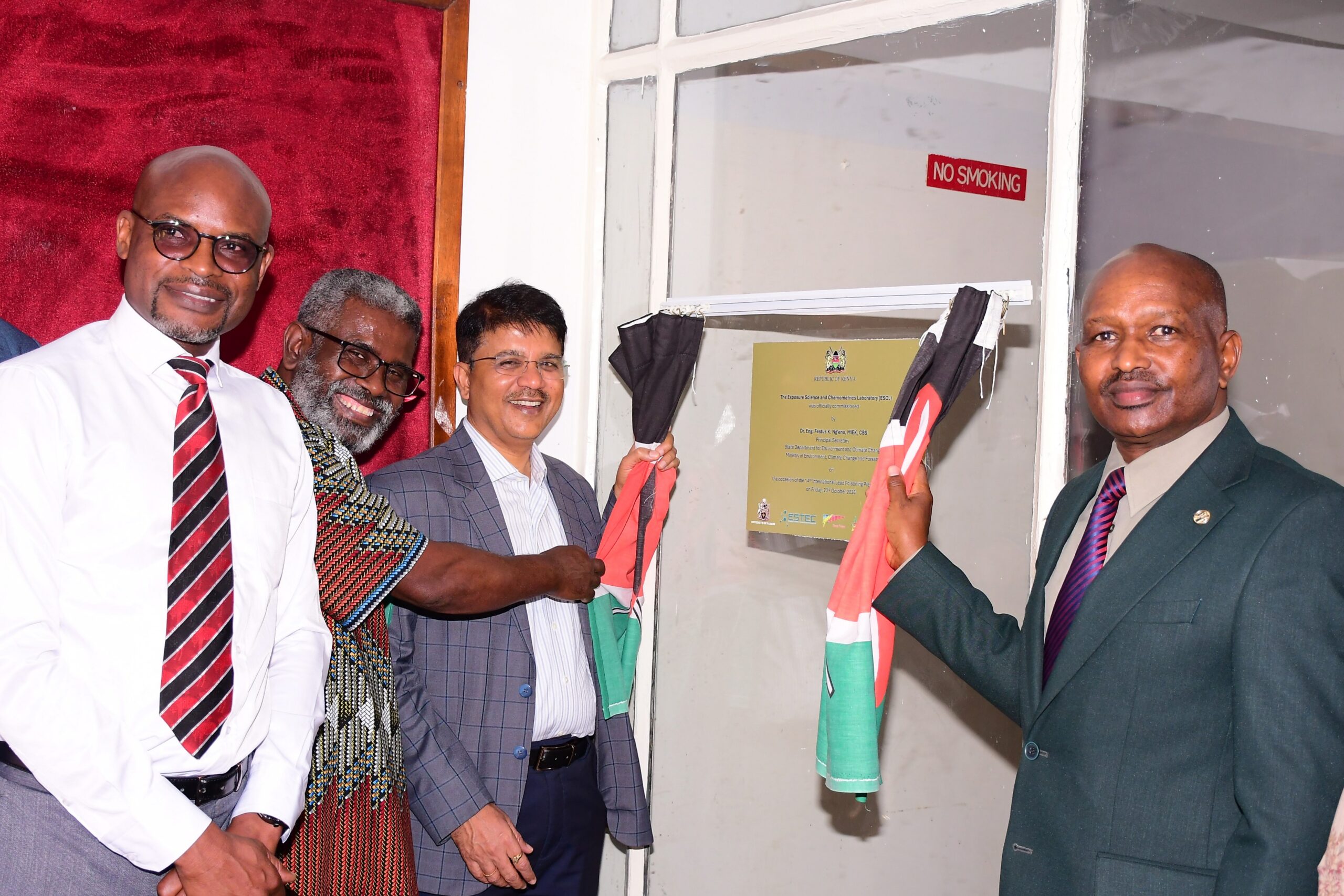
On October 23, during the 14th International Lead Poisoning Prevention Week (ILPPW), the University of Nairobi officially commissioned the modernized Exposure Science and Chemometrics Laboratory (ESCL), strengthening Kenya’s capacity to identify sources of toxic exposure and generate local scientific evidence to support lead poisoning prevention efforts across East Africa.
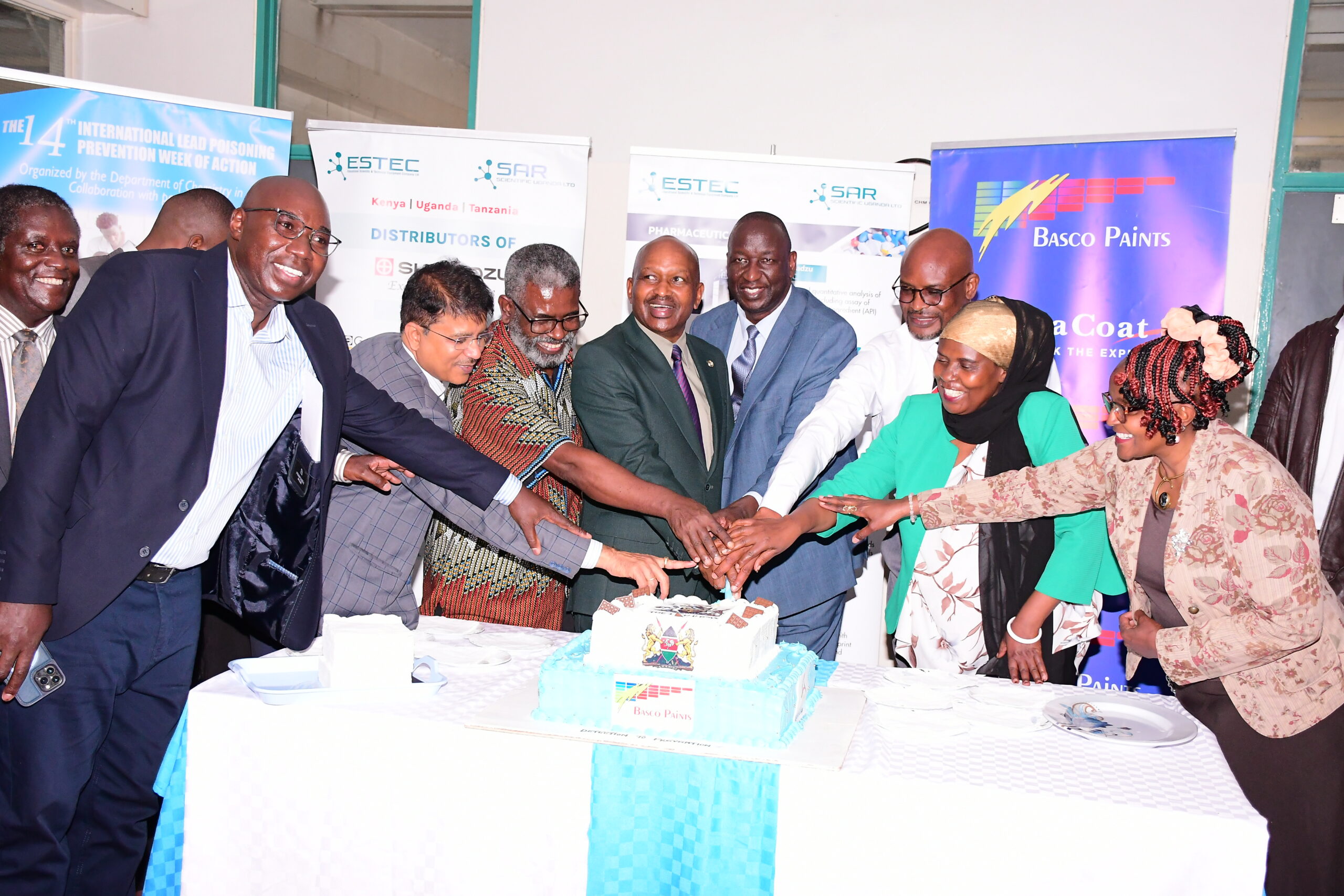
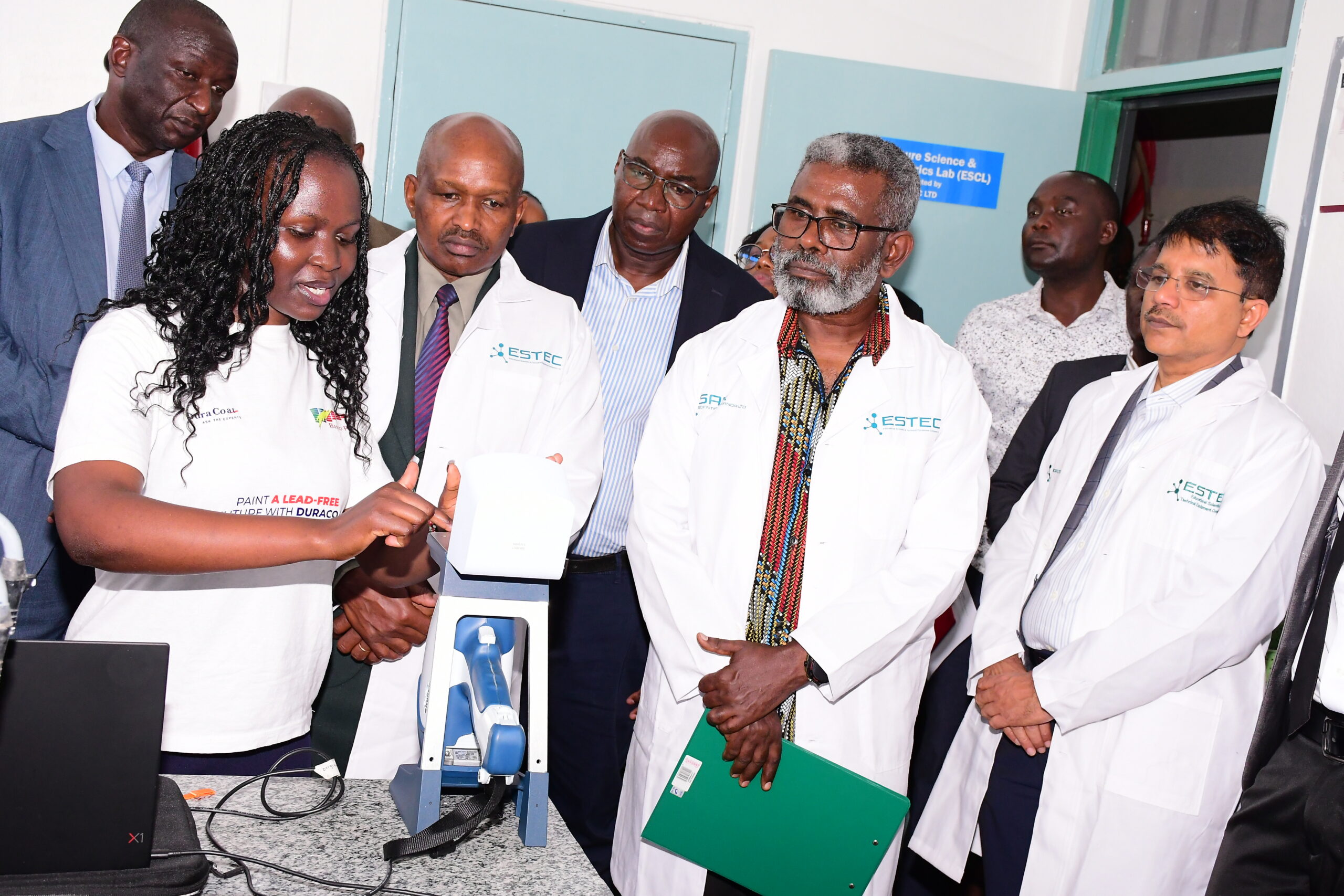
Representing Pure Earth at the ceremony, East Africa Director Firew Kefyalew reaffirmed the organization’s commitment to advancing locally led solutions to pollution. To bolster the facility’s safety and analytical capabilities, Pure Earth contributed three essential pieces of equipment: an ultrapure-water system to prevent sample contamination, a fume hood for safe handling of hazardous chemicals and acid vapours, and a freezer for precise sample preservation.
An invisible threat with lifelong consequences
Lead poisoning remains one of the world’s most serious and preventable environmental health threats. Exposure occurs through everyday items like lead-containing paints, contaminated soil, unsafe cookware, certain cosmetics and spices, and informal battery recycling.
Because lead is invisible, exposure often goes unnoticed until testing reveals the danger. For children, the consequences can be particularly severe, leading to irreversible brain damage and impaired learning. According to the Institute for Health Metrics and Evaluation (IHME) Global Burden of Disease (GBD) 2023 estimates, an estimated one billion children worldwide, more than one in three, have blood lead levels at or above the threshold associated with harm.
Preventing this requires reliable testing, strict regulation, and robust local scientific capacity.
Empowering Local Research
The ESCL represents years of dedicated work by the university’s Department of Chemistry, led by Dr. Faridah Hussein Were and her research team.
“We are grateful to Pure Earth for the strong partnership in upgrading the Exposure Science and Chemometrics Laboratory,” Dr. Faridah noted. “This support significantly enhances our analytical capabilities, enabling us to train the next generation of scientists and generate actionable evidence to drive policy interventions that protect vulnerable communities from toxic lead exposure among other heavy metals across Kenya and Africa”.
For Firew Kefyalew, Pure Earth’s East Africa Director, this investment is about addressing the longstanding barriers to local technical infrastructure. “Equipping local scientists with the right tools is vital,” Firew noted. “This facility empowers researchers across East Africa to generate rigorous data that directly informs public health interventions and regulatory decisions.”
From detection to prevention
Detecting contamination is only the first step. Scientific findings must directly inform the policies, controls, and interventions needed to stop exposure at its source. Kenya has already taken important steps to address lead in paint, establishing a maximum allowable lead concentration of 90 parts per million in 2018 and creating an important regulatory benchmark for consumer protection.
Research presented by the university and CEJAD highlighted remaining gaps, such as controlling lead chromate pigments entering supply chains at border entry points.
Addressing these challenges requires a coordinated and multi-pronged approach: rigorous enforcement by regulators, safer alternatives from manufacturers, and international cooperation, including ongoing efforts supporting the consideration of lead chromates for listing under Annex III of the Rotterdam Convention ahead of the 2027 Conferences of the Parties.
A partnership built around practical solutions
Pure Earth’s participation in the Nairobi ILPPW event highlights its ongoing mission to partner with low- and middle-income countries to turn technical assessments into effective policy and practice. From advising on cookware standards in Ghana to establishing blood lead testing guidelines in Nigeria, Pure Earth applies a collaborative model tailored to local needs. Across East Africa, Pure Earth is expanding its program portfolio to strengthen source assessment and coordinated exposure prevention.
The partnership with the University of Nairobi opens new avenues for biomonitoring, and technical training. As Firew emphasized, regional challenges demand regional cooperation: “Our environmental health problems cross borders, but so can our knowledge, our experience, and our solutions.”
Investing in the next generation of African scientists
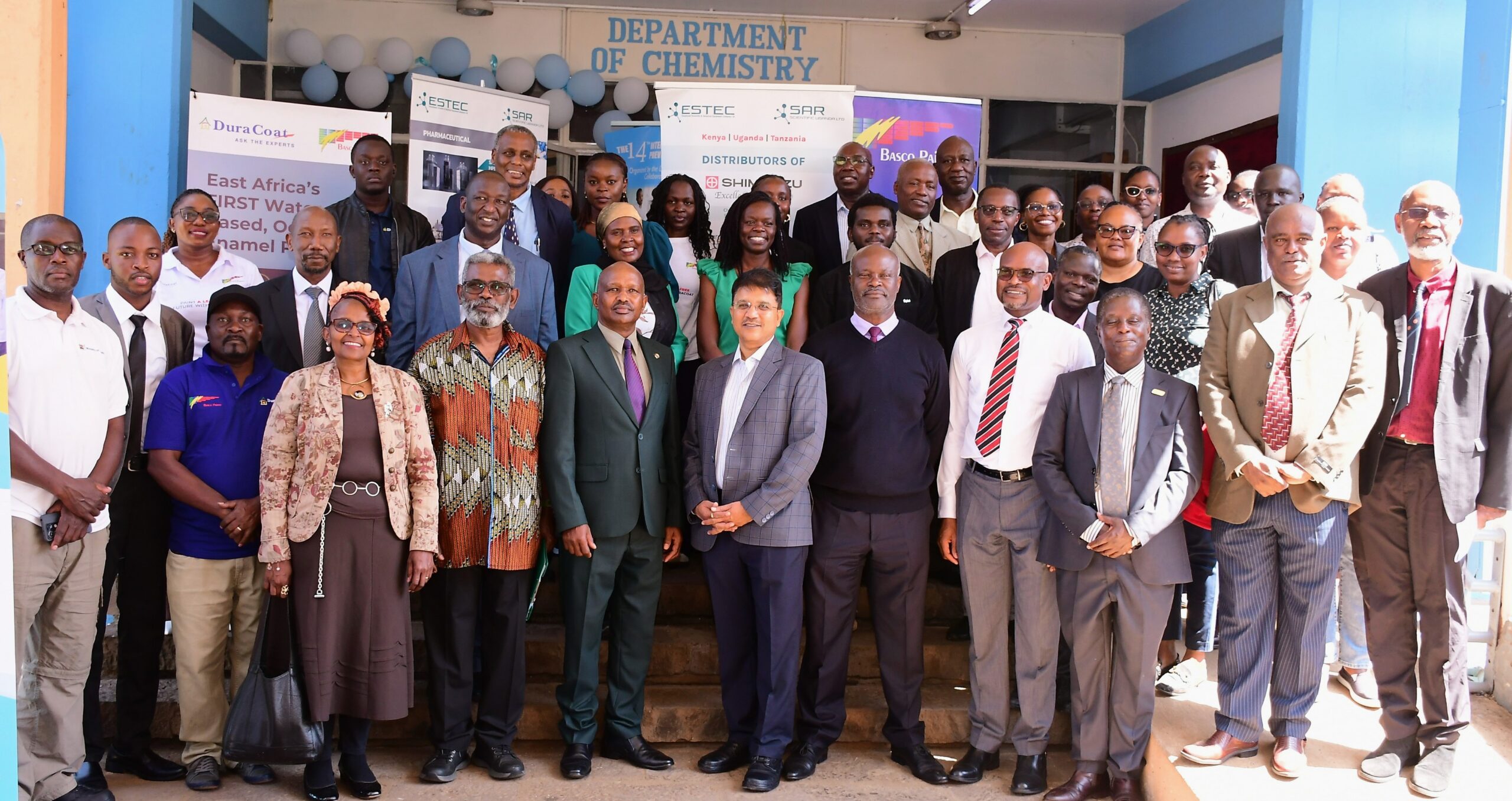
Students formed a vibrant core of the ILPPW 2026 activities, contributing creative and technical presentations that demonstrated deep engagement with environmental health challenges. The upgraded laboratory will serve as a premier training ground where students can master analytical skills, hands-on research methods, and technical expertise needed to address complex environmental health challenges.
Sustained investment in regional academic institutions ensures that solutions remain pragmatic, locally driven, and responsive to community needs.
Turning evidence into protection
The commissioning of the ESCL marks an important step in strengthening the technical backbone needed to investigate toxic exposures and support lead poisoning prevention. It underscored the shared roles of universities in generating evidence, governments in enforcing standards, industry in ensuring product safety, and partners such as Pure Earth in supporting technical capacity.
As Kenya continues to scale up its response to lead exposure, the ESCL provides a solid foundation for further collaboration. For Pure Earth, it represents an opportunity to support locally led efforts to identify exposure sources and prevent harm.
As Firew emphasized during the commissioning ceremony: “The real measure of this laboratory will be the exposures prevented and the children protected at the end of the day.”
Through investments in laboratory infrastructure, technical expertise and partnerships with African institutions, Pure Earth and the University of Nairobi are bridging the gap between evidence and public health action. The value of the ESCL will be measured not only by the research it enables, but by the risks identified, the decisions informed and, ultimately, the lead exposures prevented. That is how rigorous monitoring transforms into true public health protection.
At the University of Nairobi, Pure Earth joined researchers, government leaders, and partners to celebrate the commissioning of a newly upgraded laboratory designed to turn scientific evidence into action against lead exposure in Kenya and across East Africa. On October 23, during the 14th International Lead Poisoning Prevention Week (ILPPW),… Read More Africa, Ethiopia, Events, Lead Poisoning Prevention Initiative, News Coverage The Pollution Blog [#item_full_content]