
The event, organized by the Mining and Sustainable Development Dialogue Group, the Center for Mining and Sustainability Studies at Universidad del Pacífico, and Pure Earth Peru, provided an opportunity to share experiences and perspectives on an activity that requires improved practices, effective regulation, and a comprehensive approach to territorial development.
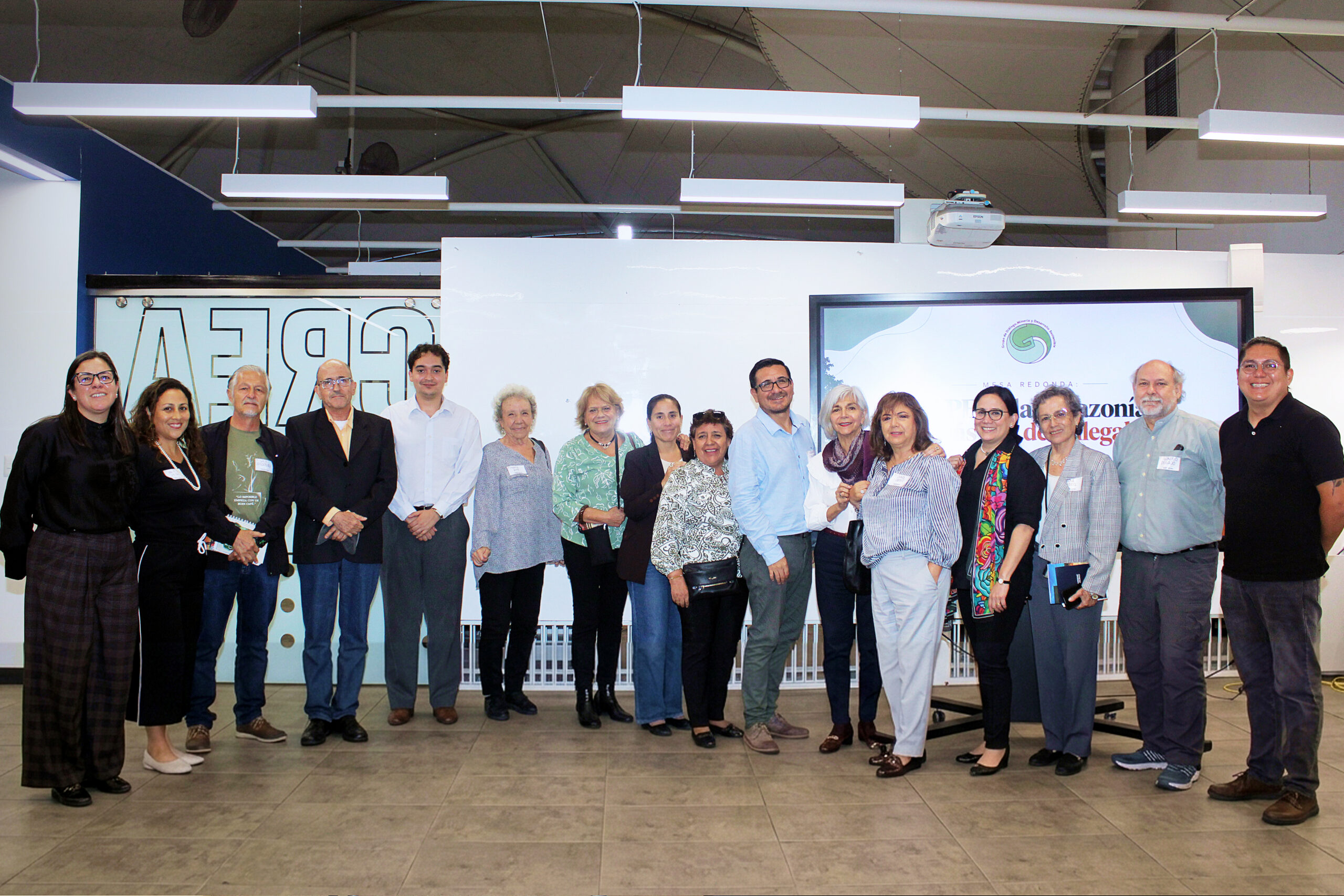
The future of artisanal and small-scale mining (ASM) in the Amazon requires spaces for dialogue that recognize the challenges associated with this activity while identifying experiences and alternatives that can help advance more responsible mining practices.
With this goal in mind, the roundtable discussion “Small-Scale and Artisanal Mining in the Amazon” was organized by the Mining and Sustainable Development Dialogue Group (GDMDS), in coordination with the Center for Mining and Sustainability Studies (CEMS) at Universidad del Pacífico and Pure Earth Peru.
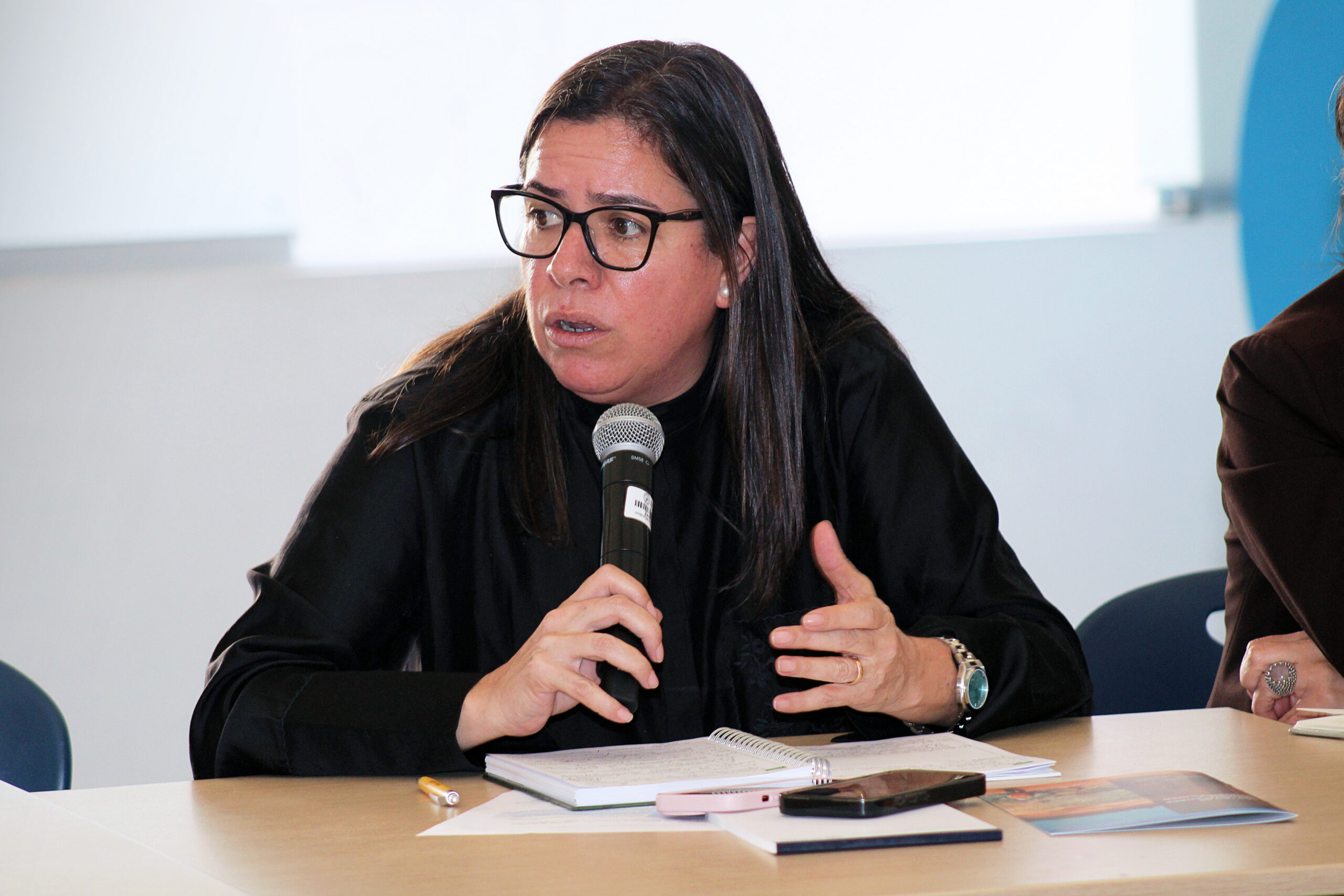
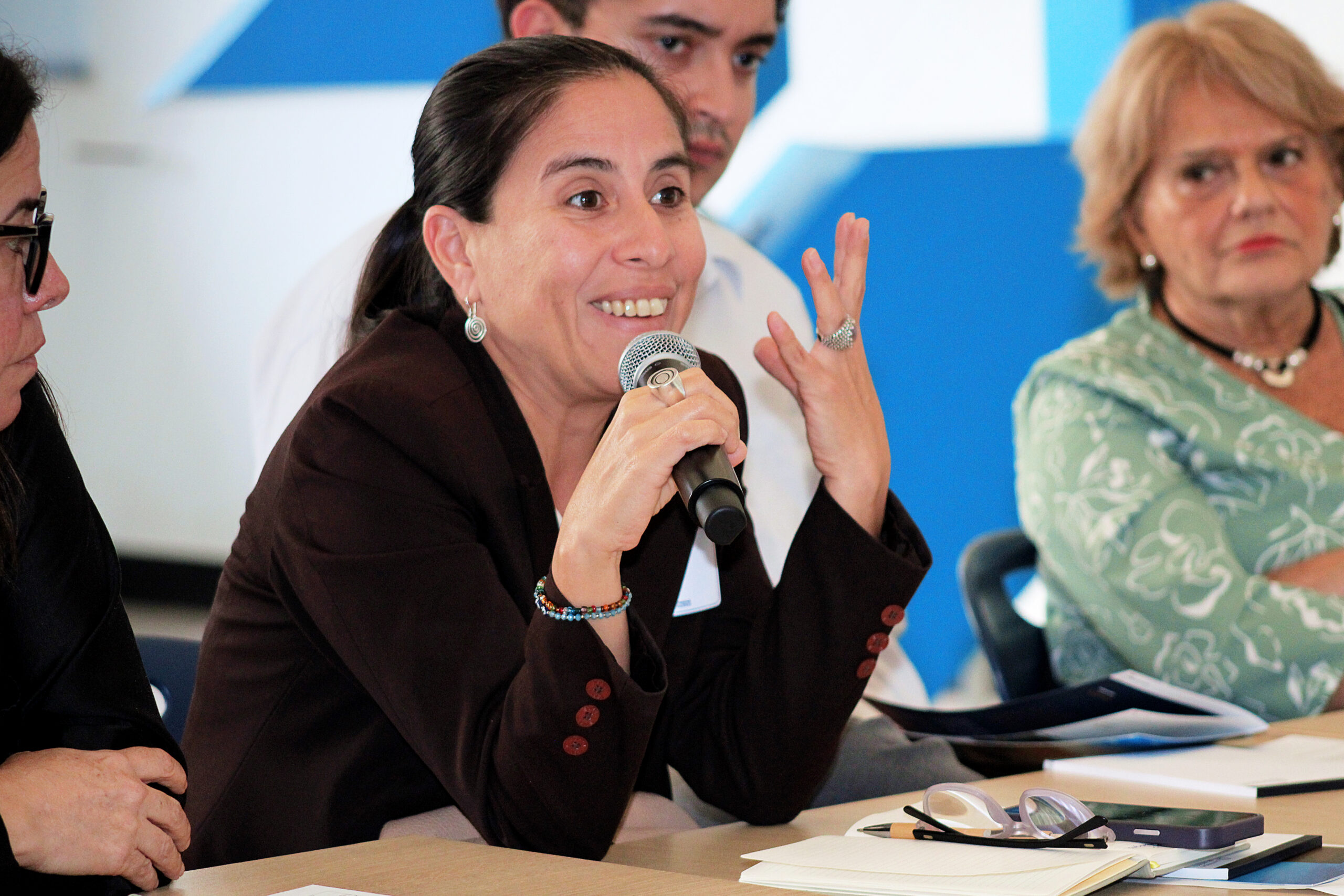
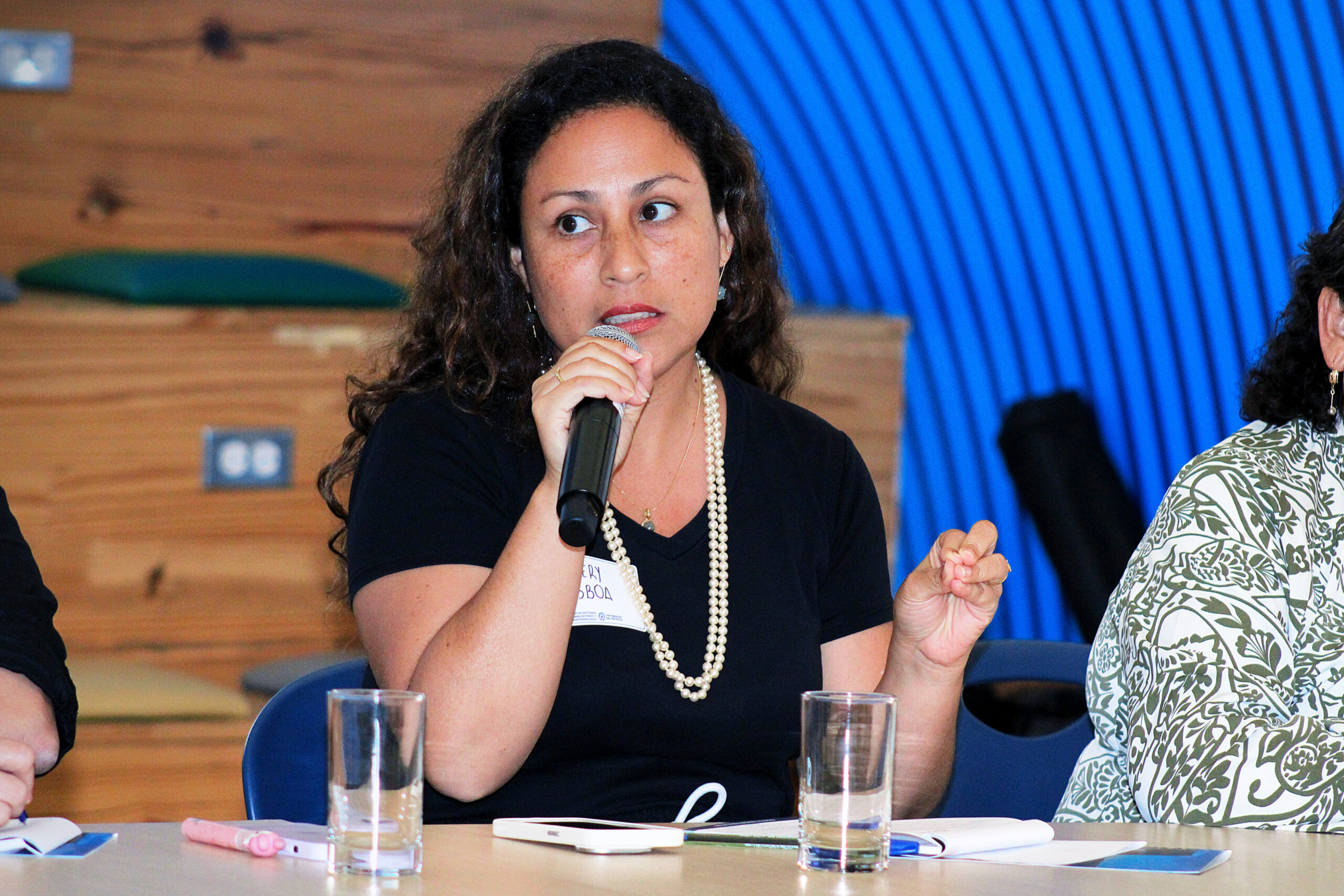
The event brought together representatives from different sectors and subject-matter experts, who shared their perspectives and experiences on ASM, territorial development, and the environmental and social challenges associated with mining in the Amazon.
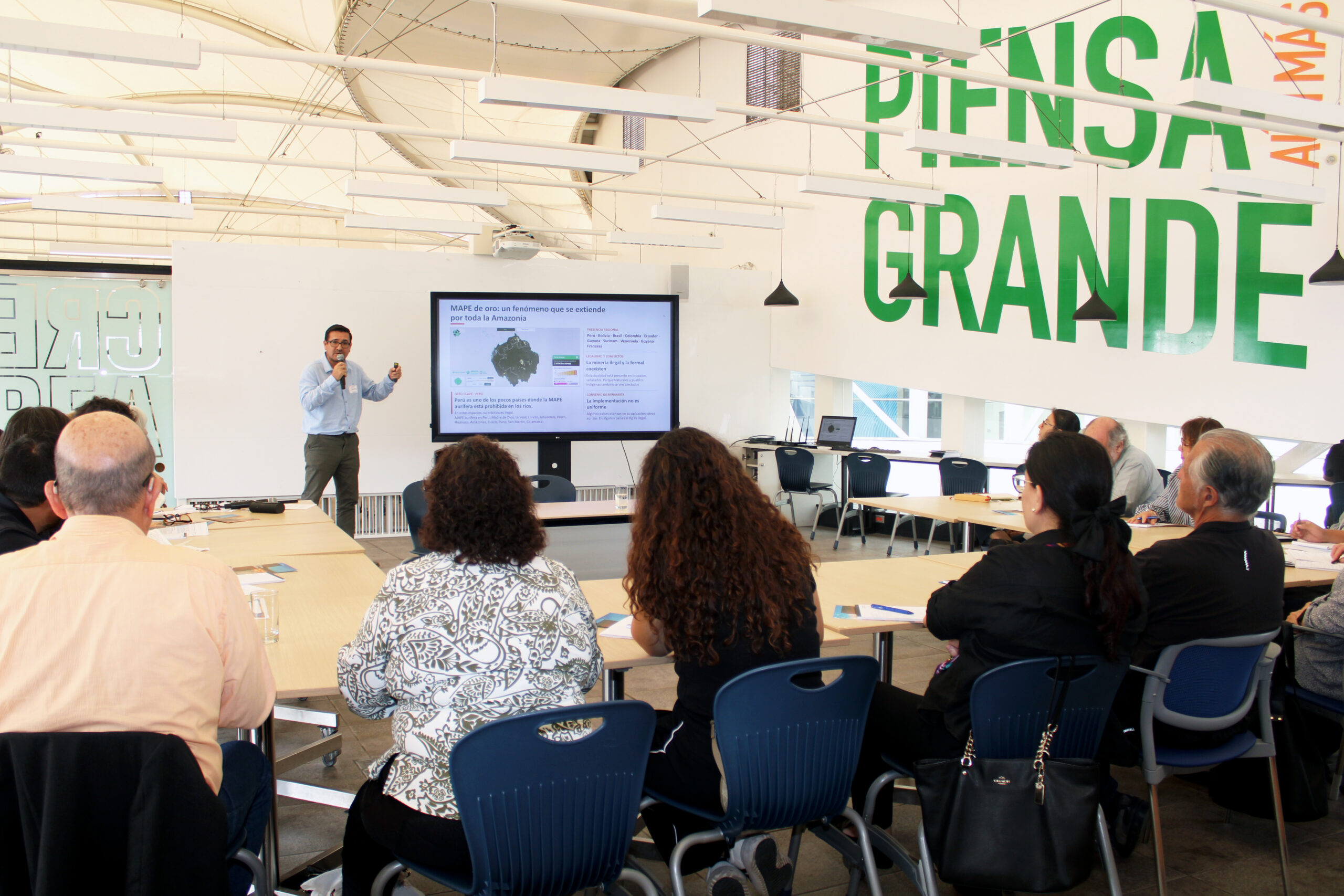
The panel featured France Cabanillas, Regional Coordinator for Madre de Dios at Pure Earth Peru; Vilma Contreras, President of the AMATAF Mining Association in Madre de Dios; Raúl Molina, a territorial development specialist; and César Ascorra, a representative of the Amazon Scientific Innovation Center (CINCIA).
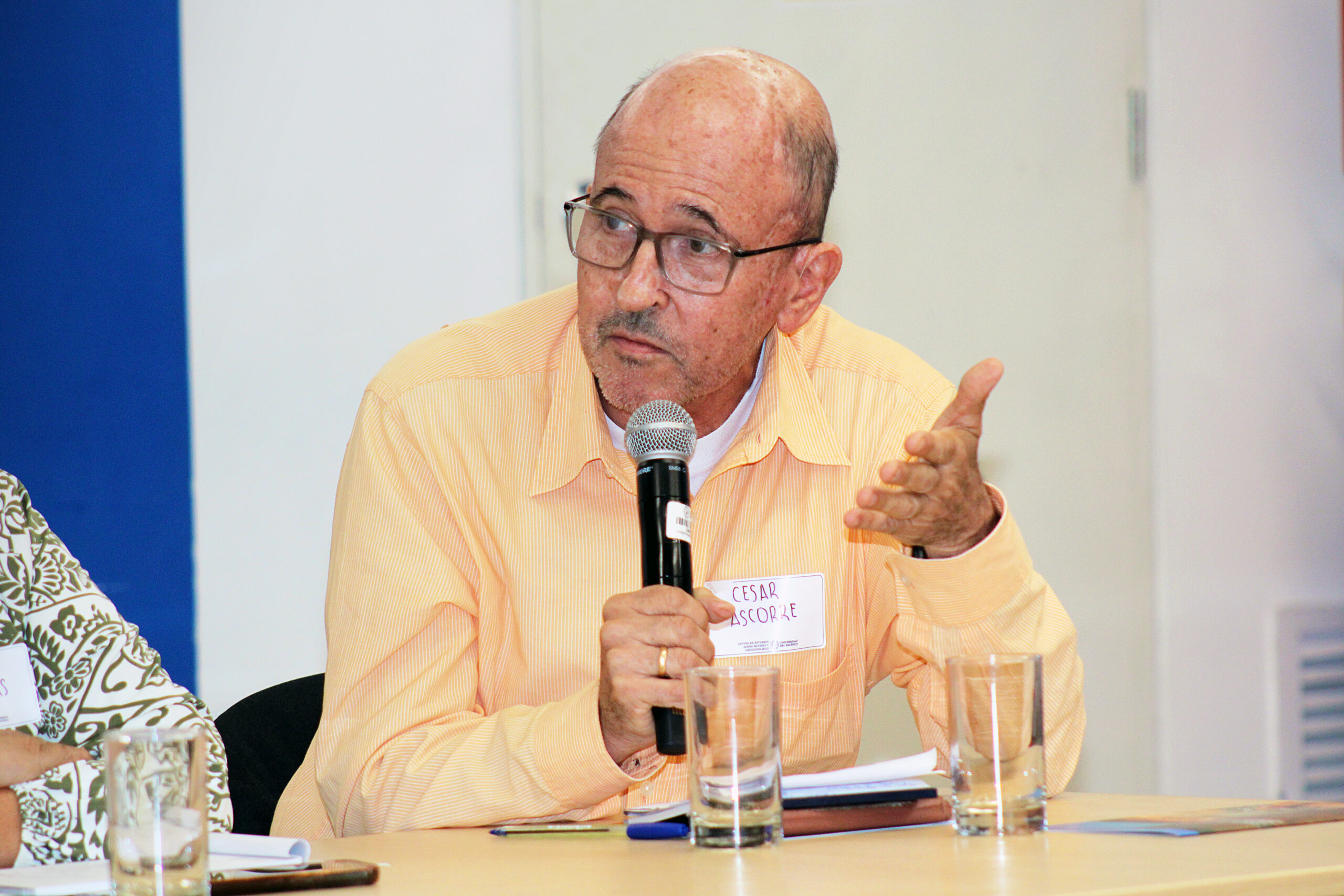
Representing Pure Earth Peru, France Cabanillas emphasized the importance of recognizing that mining is part of the territorial reality of Madre de Dios and the Amazon region. He noted that it is therefore necessary to create the conditions that enable those engaged in formal mining activities to adopt improved practices.
During his remarks, he shared the experience of the Tauro Fátima Mining Association (AMATAF), a mining organization that has achieved international Fairmined certification for its gold production and is developing an approach based on mercury-free practices, reforestation, and generating benefits for communities connected to its concessions.
According to Cabanillas, this experience shows that “there are concrete opportunities to advance small-scale mining models that incorporate environmental and social improvements, as well as new ways of understanding development in mining communities.”
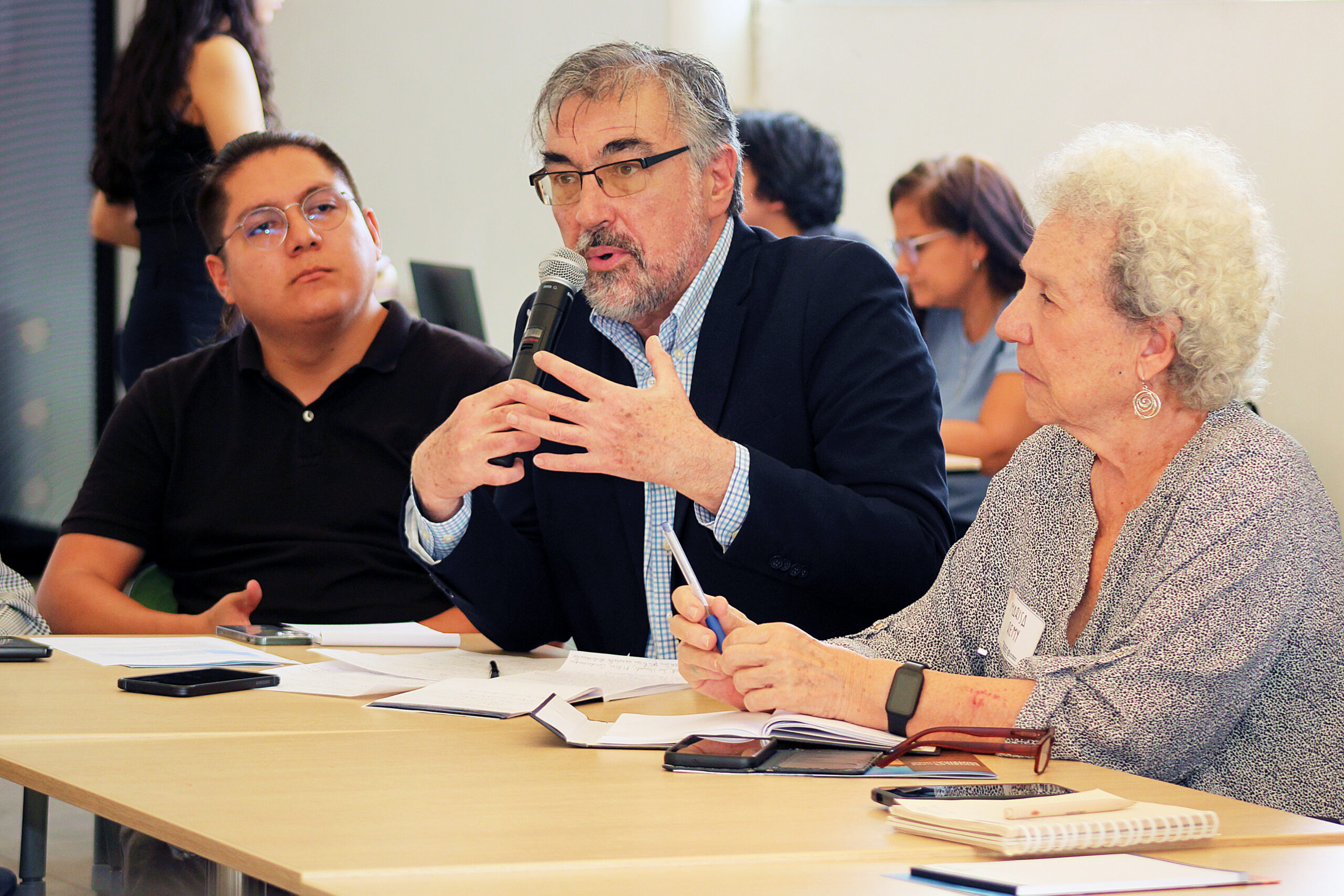
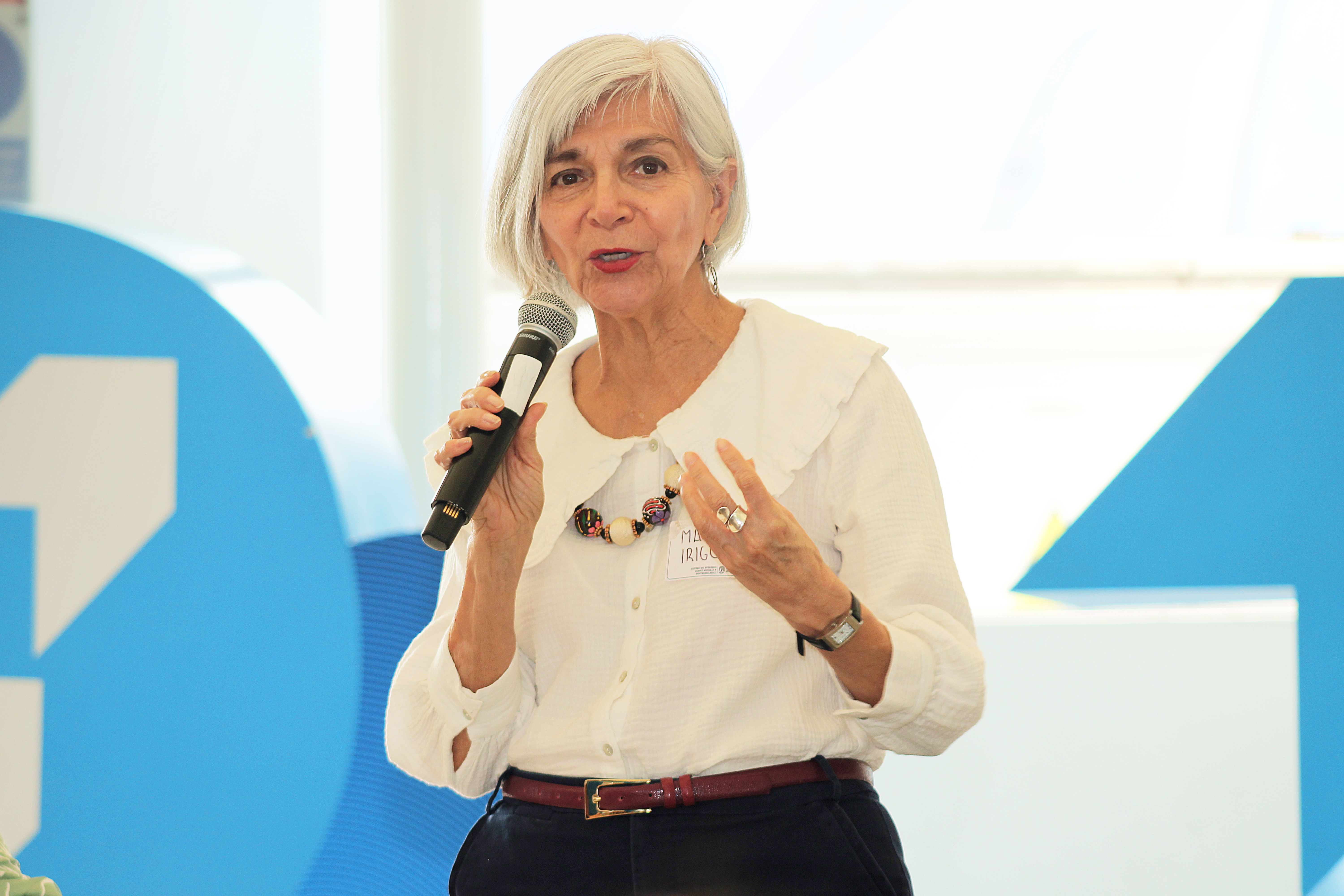
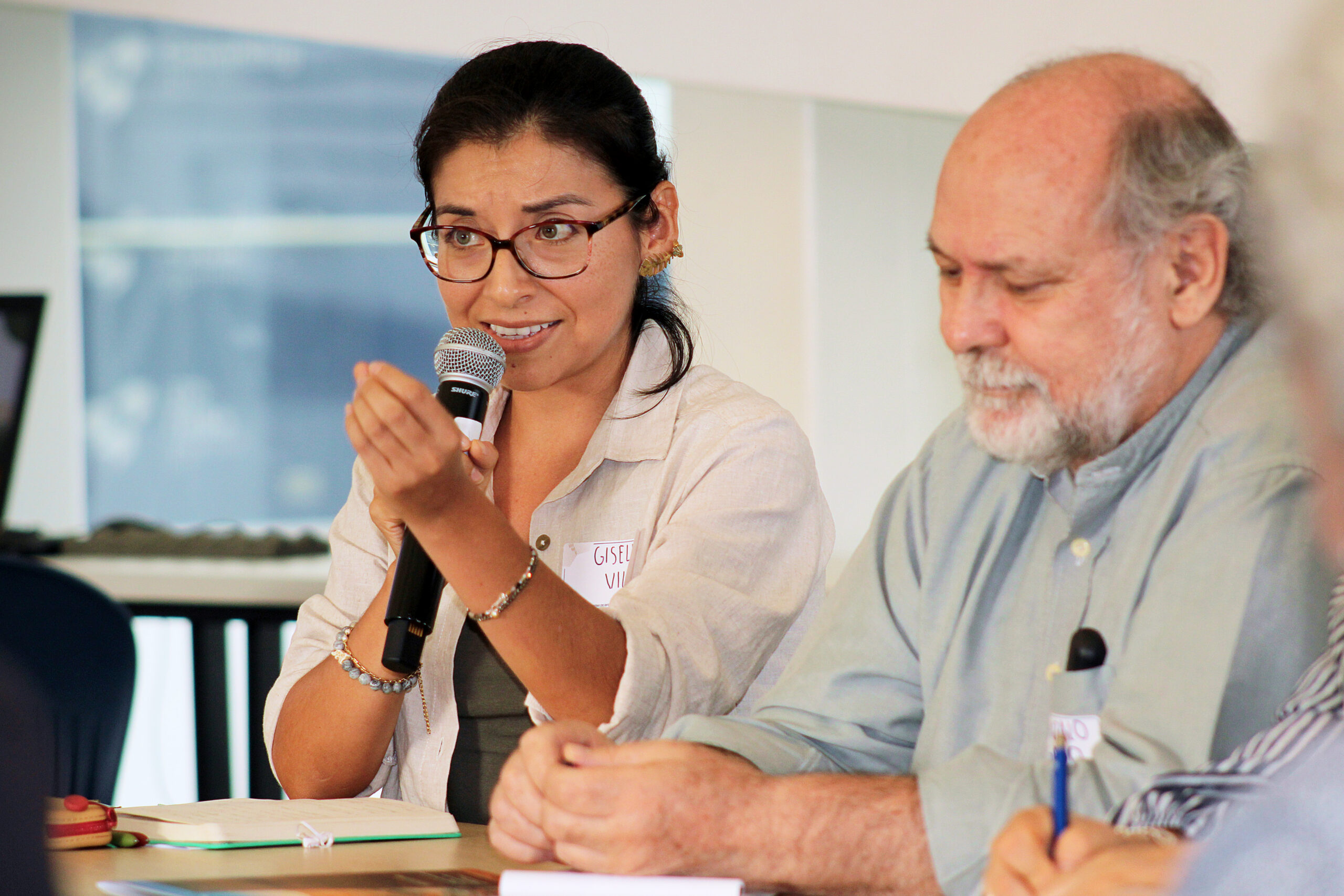
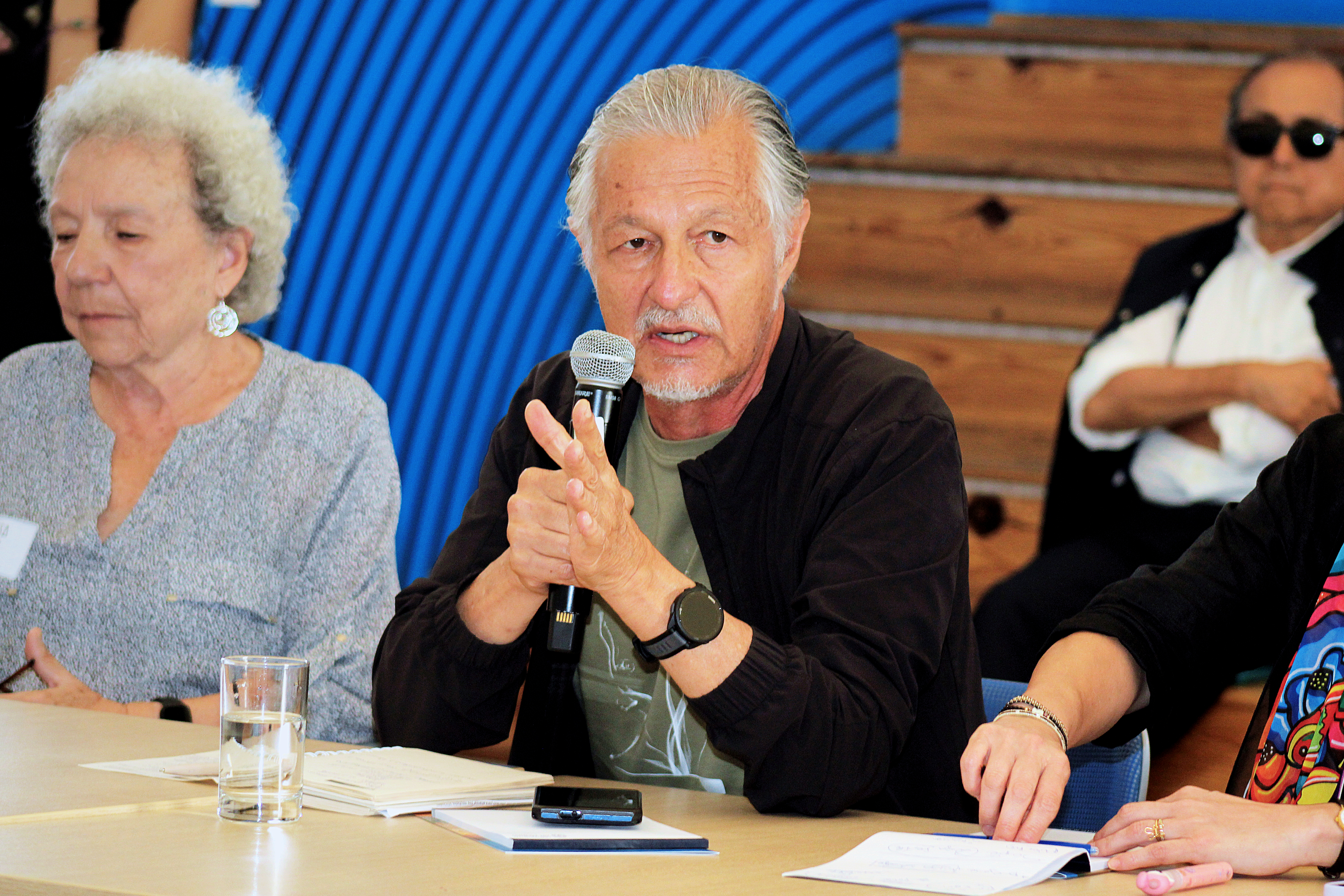
For his part, César Ascorra, a representative of CINCIA, emphasized the importance of keeping the Amazon’s social and territorial context in mind. In particular, he noted that land-use planning must be developed with consideration for the realities of those who live and work in each territory, as they are best positioned to understand its dynamics, needs, and challenges firsthand.
He also highlighted the need for greater coordination among government institutions operating in the same area, so that their actions can contribute to more effective territorial management.
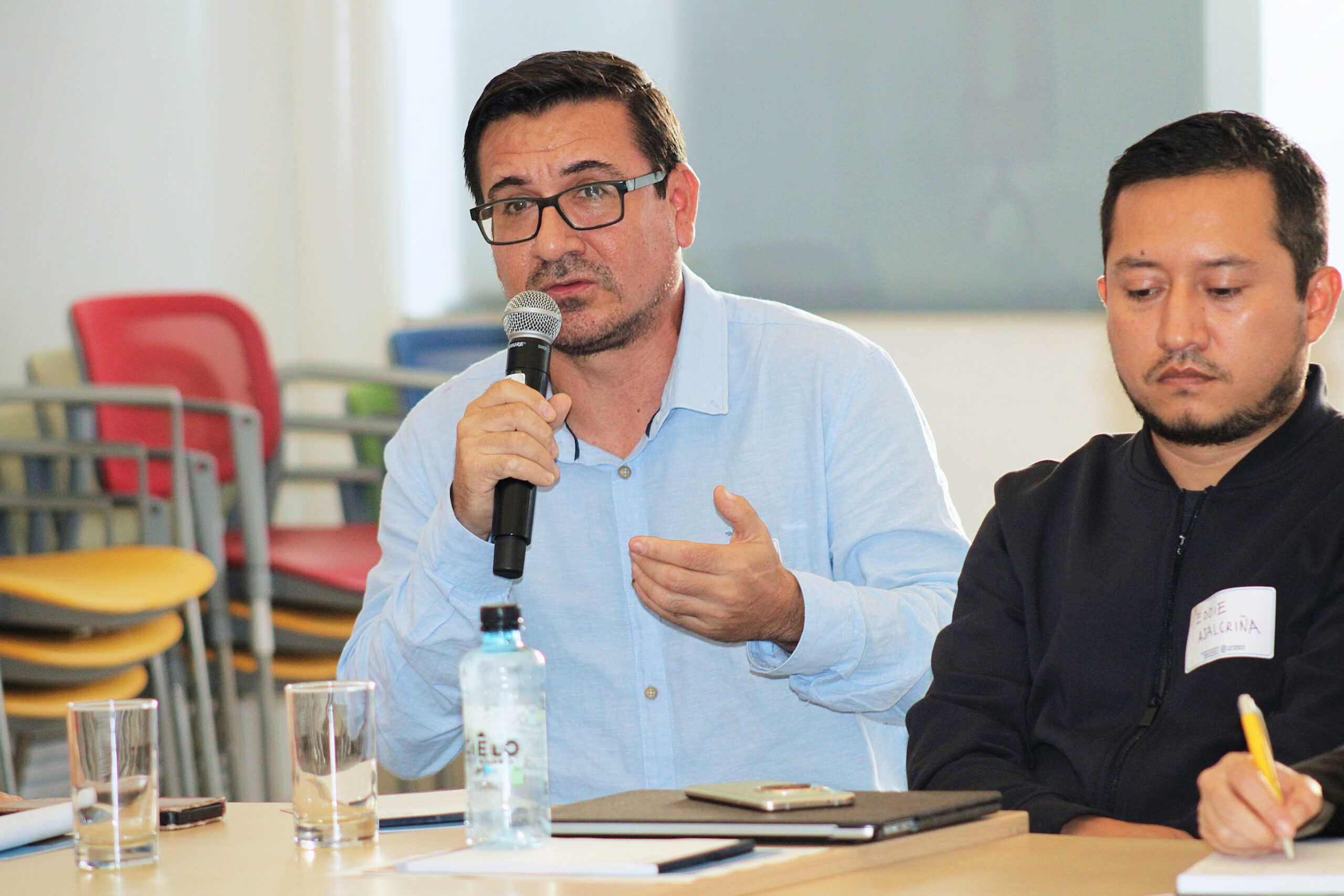
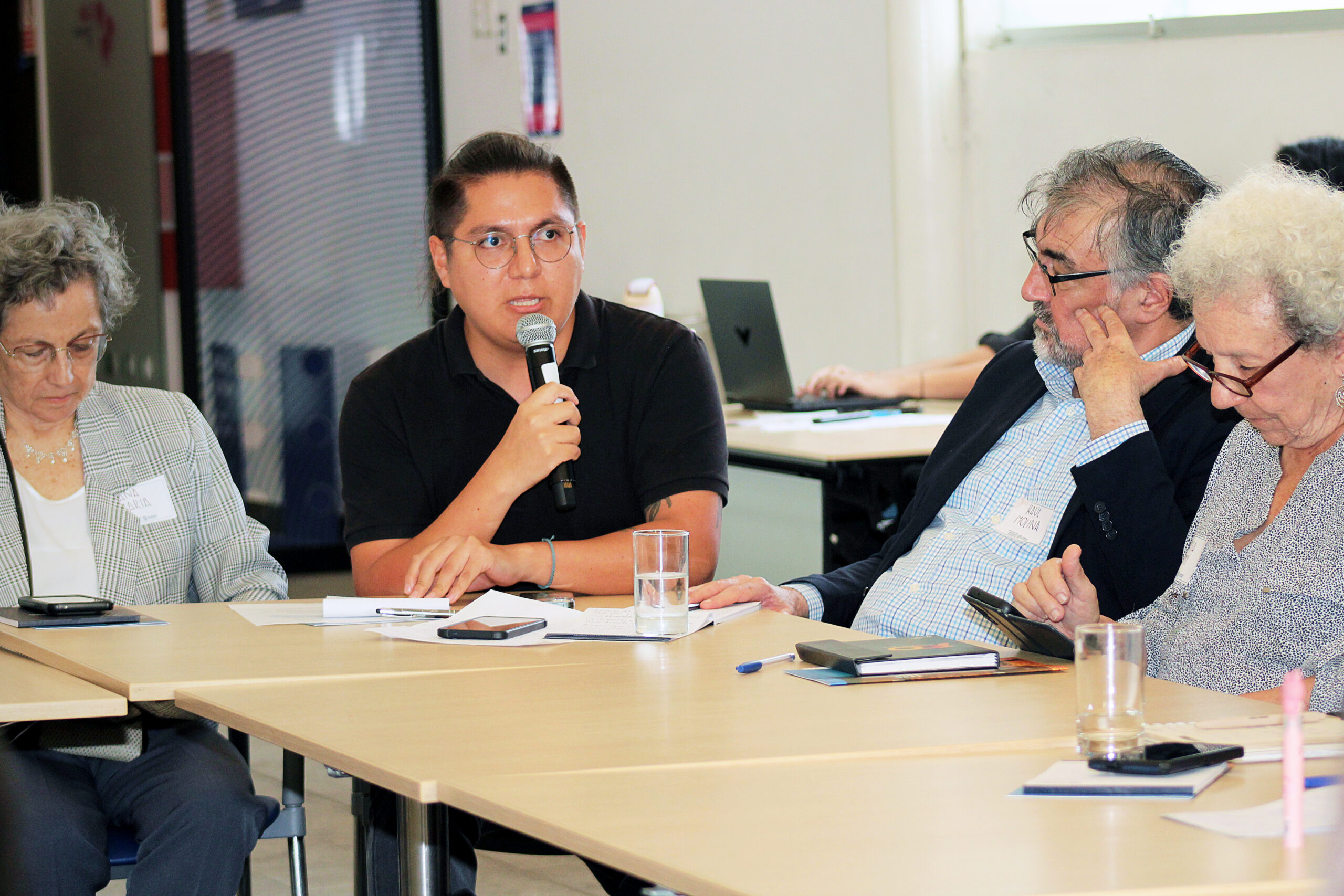
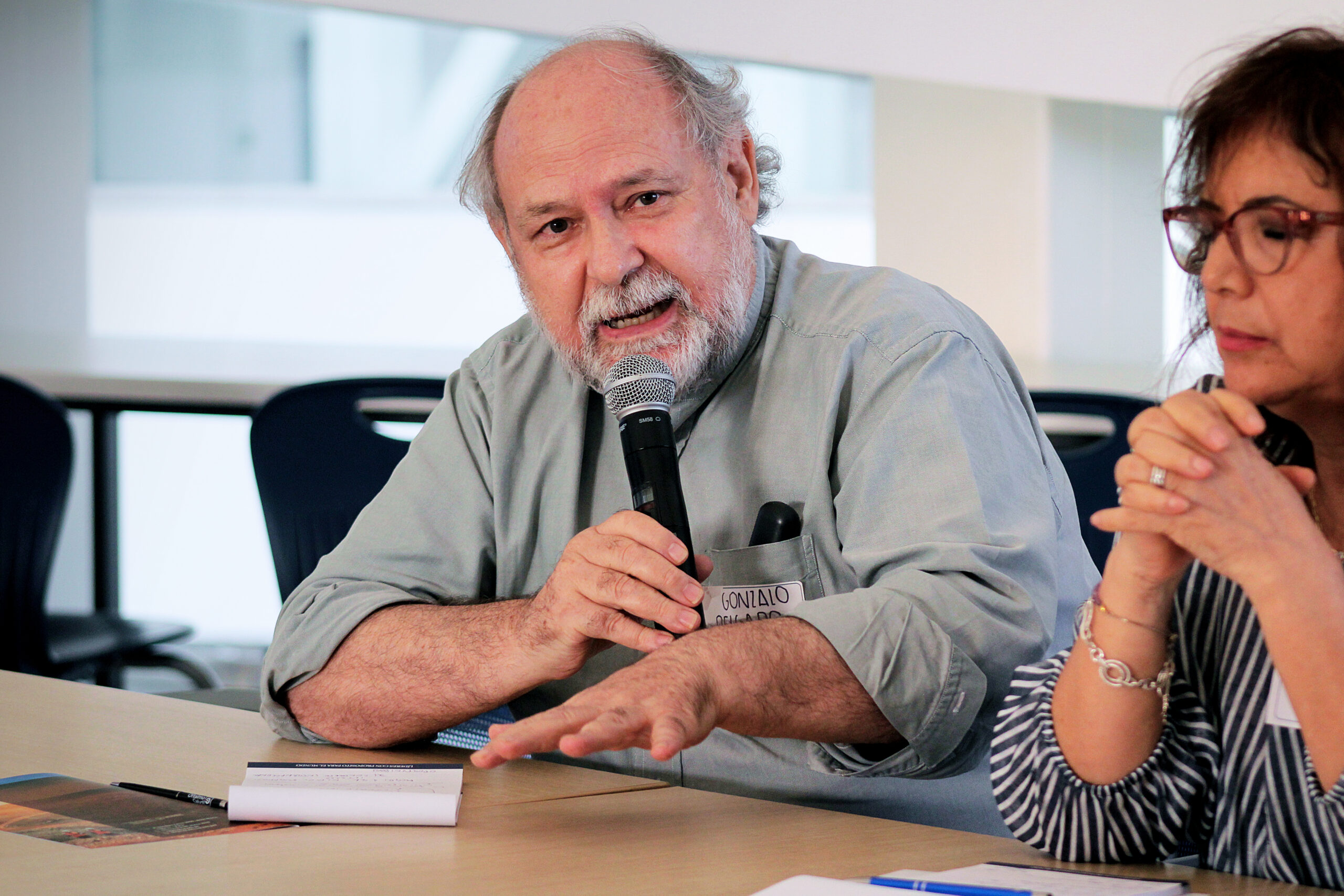
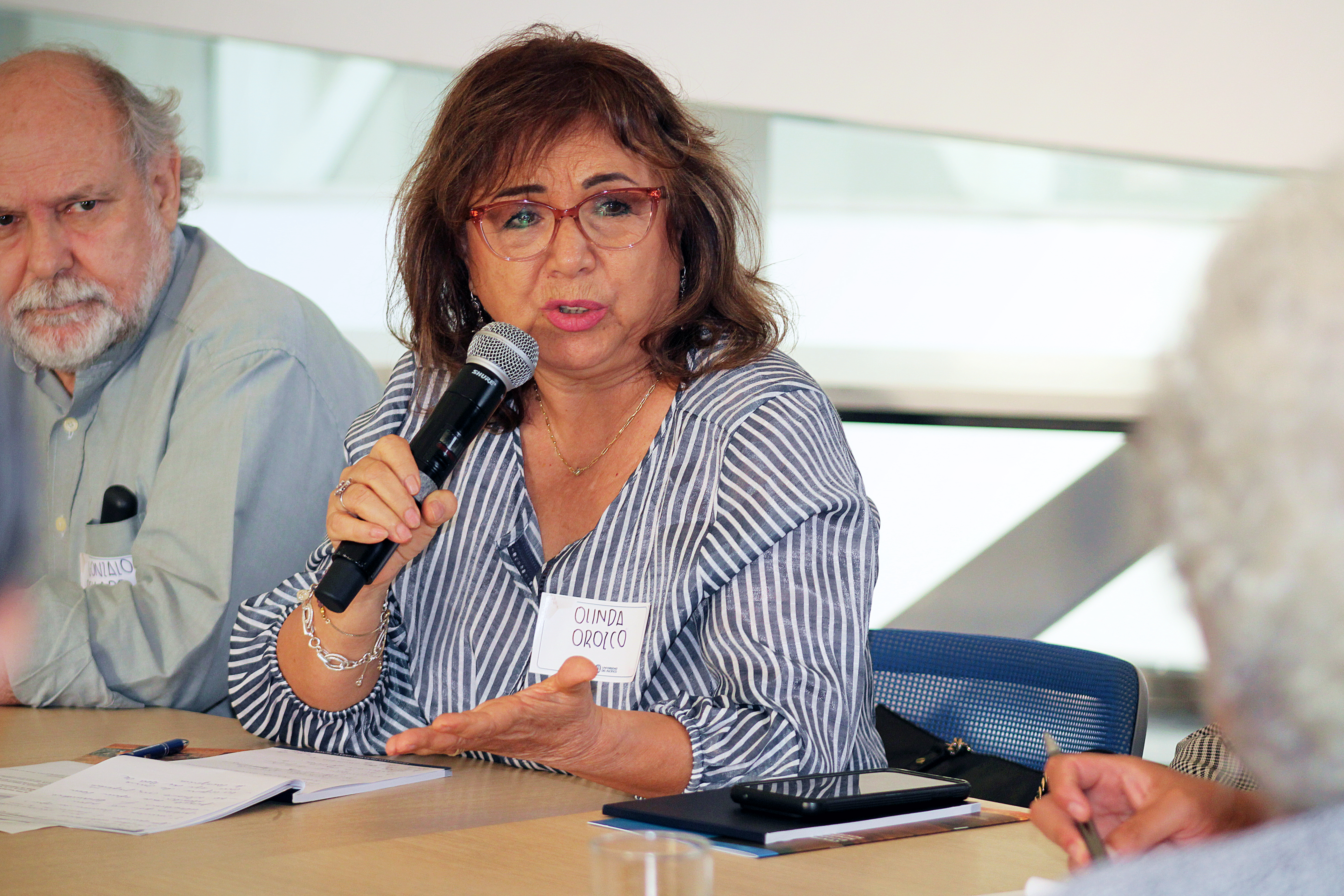
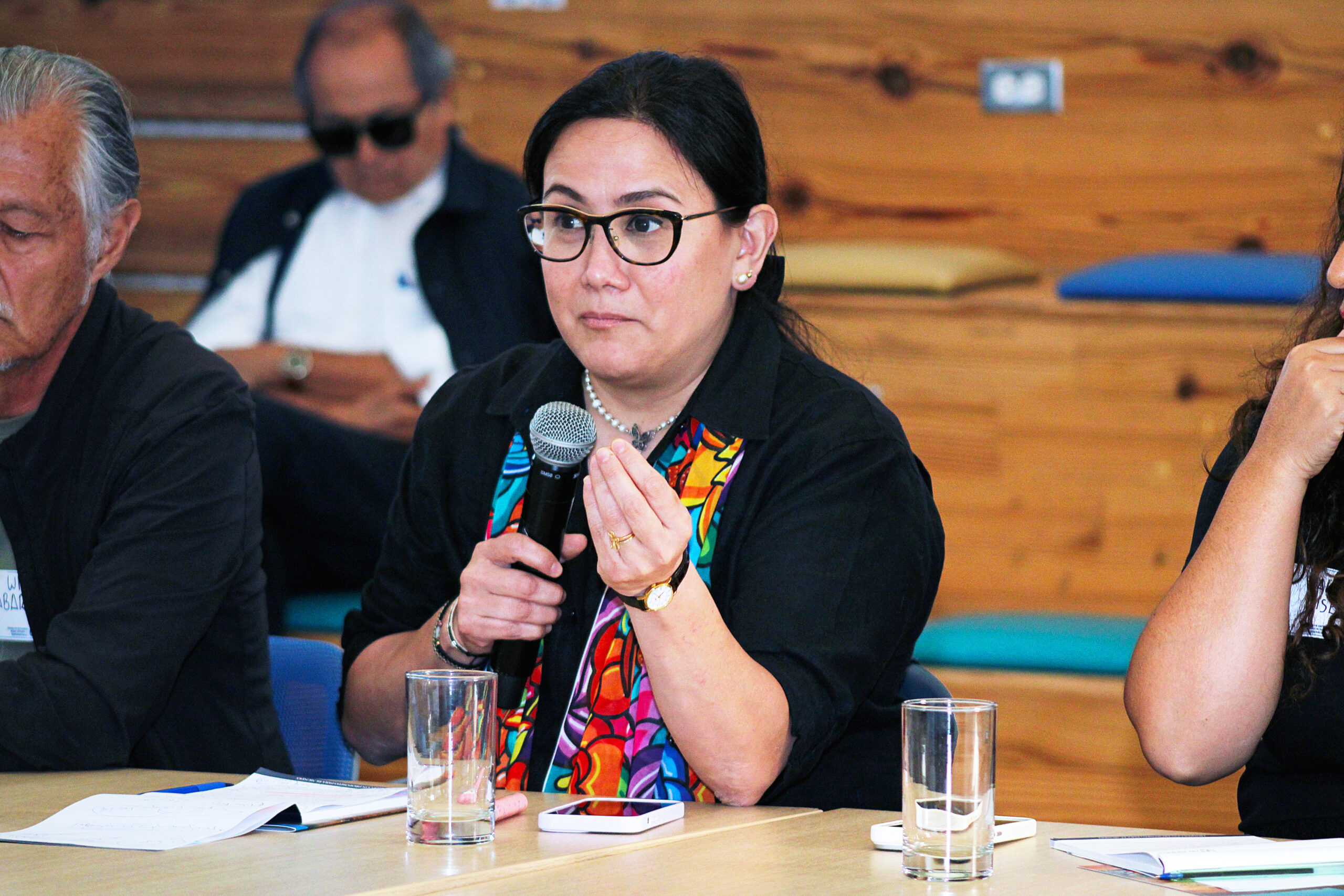
Throughout the roundtable, participants shared perspectives and opinions based on their respective experiences and areas of work, addressing both the opportunities and challenges associated with ASM and development in the Amazon.
Despite their differing viewpoints, the discussion provided an opportunity to bring together shared concerns about the future of Amazonian territories and the need to strengthen the tools available for managing them, taking into account the economic, social, and environmental activities that coexist in these areas.
For Pure Earth Peru, creating spaces for dialogue is essential to listen to different perspectives, share experiences, and promote alternatives that contribute to mercury-free ASM, with improved environmental and social practices and greater consideration for the region and its communities.
The event, organized by the Mining and Sustainable Development Dialogue Group, the Center for Mining and Sustainability Studies at Universidad del Pacífico, and Pure Earth Peru, provided an opportunity to share experiences and perspectives on an activity that requires improved practices, effective regulation, and a comprehensive approach to territorial development.… Read More Peru, Project Updates, Uncategorized, mercurio, mercury, mercury contamination, mercury poisoning, mercury pollution, MercuryFree The Pollution Blog [#item_full_content]