
Lead poisoning is one of the world’s most widespread health threats, and one of the hardest to see. More than one billion children are estimated to have elevated levels of lead in their blood. Most show no obvious symptoms. Lead hides in spices, cookware, paint, toys and the soil near informal battery recycling sites, quietly damaging developing brains.
That is why the World Health Organization’s theme for International Lead Poisoning Prevention Week (ILPPW), held October 18–24, was “From Detection to Prevention.” Lead can’t be stopped until it’s found. Once it’s found, proven solutions can stop it at the source.
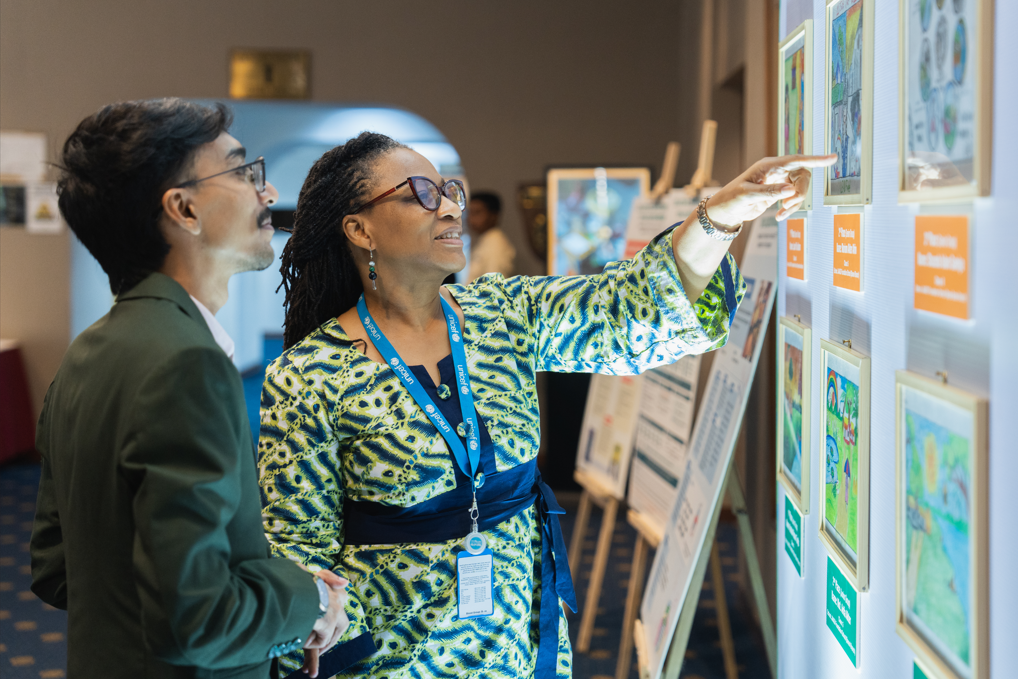
Across Africa, Asia, Latin America, Pure Earth teams and partners spent the week doing raising awareness about lead exposure and how we can solve it, from community streets to global policy conversations. Children and families in Peru marched with handmade “No to lead!” signs. Peru’s Attorney General also lent his voice to the cause in a new video with the Public Prosecutor’s Office, warning of the harms of lead and highlighting Pure Earth’s advocacy to protect Peruvian children. More than 100 leaders gathered in Dhaka to launch a National Youth Alliance for a Lead-Free Bangladesh. Families at a Bishkek shopping mall learned where lead hides at home, and in Addis Ababa, policymakers watched everyday goods tested for lead on the spot.
Online, U.S. based Instagram creator The Lead Lady teamed up with Pure Earth to show her followers what lead-contaminated products look like in the countries where Pure Earth works, starting with traditional glazed pottery in Mexico. Released on October 20, the video drew more than 400,000 views, over 20,000 likes, and 6,000 shares.
To kick off the week, Pure Earth released its 2026 Impact Report. Country offices brought the report to life across their social channels, highlighting major milestones from the past year:
Ghana’s new cookware limit was one of three regulatory wins featured on October 22 at Pure Earth’s global flagship webinar: From Law to Impact: Cookware Regulatory Wins in India, Ghana, and Mexico. Lead in pots and pans is a source of exposure that often goes undetected in the home. The webinar looked at how regulation can stop it at the source, with speakers from the Bureau of Indian Standards, the Ghana Standards Authority, and Iberoamericana University.
Throughout ILPPW, Pure Earth ran a global social media campaign under the hashtag #ScalingDetectionandPrevention. This marked the launch of the name and logo for the SCALE Initiative: Scaling Country Action on Lead Exposure. Supported by The Audacious Project donor community, SCALE is helping countries scale up proven ways to detect and prevent lead exposure. Its goal is to protect over 550 million children by 2033.
On October 20, Pure Earth teams in Colombia, Mexico, Peru and Brazil hosted a regional webinar: Latin America United Against Lead. Experts across the region shared practical solutions for moving from detecting lead risks to preventing exposure. A PAHO representative, Luis Francisco Sánchez Otero, offered a regional perspective in the opening. Natalia Machuca, Pure Earth’s Regional Director for Latin America, and Caroline Baylor, Pure Earth’s Senior Program Manager for Latin America, co-moderated. The webinar attracted 147 registrants from 21 countries.
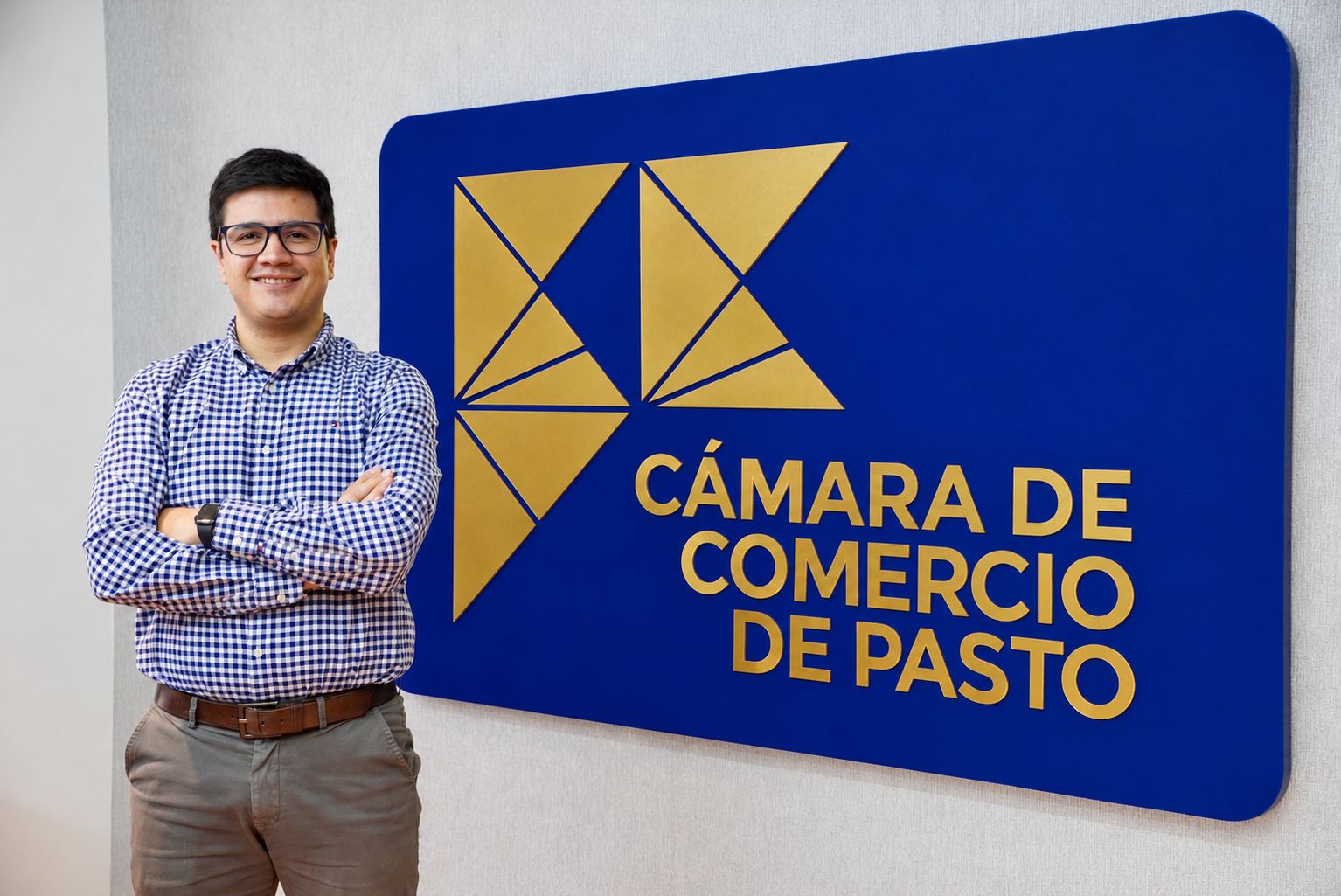
Representing Colombia, Rodrigo David Noguera Fajardo, Director of Planning and Management Control at the Chamber of Commerce of Pasto, shared lessons from a joint initiative with Pure Earth to promote safer lead management in automotive workshops and recycling sites in southern Nariño. The initiative combines site assessments, worker training, and practical measures to prevent exposure, linking local evidence with actions to protect workers and surrounding communities.
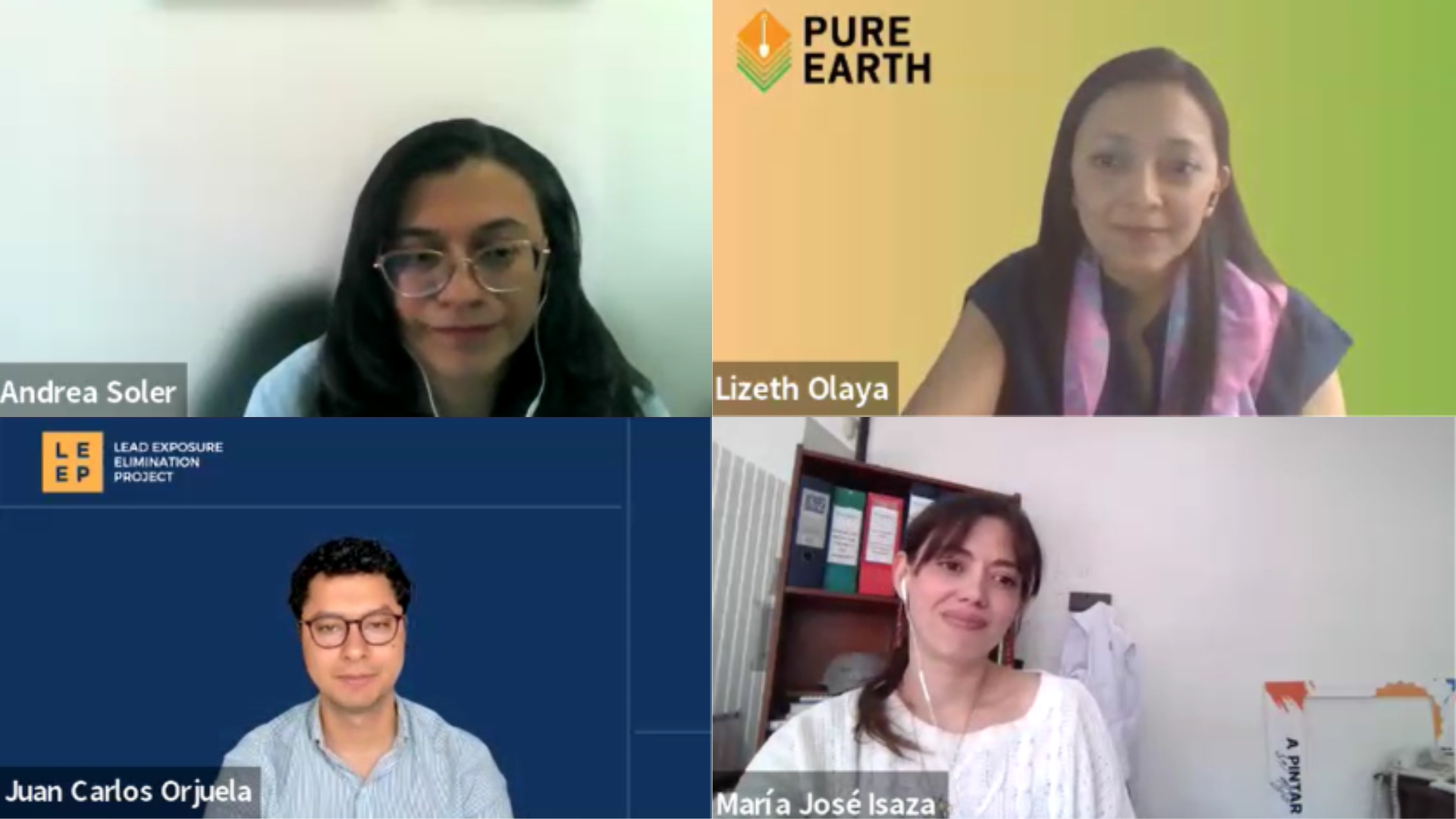
On October 28, Pure Earth Colombia, Acopinturas—the paint industry association within Acoplásticos—and the Lead Exposure Elimination Project (LEEP) convened government, industry and civil society for “From Identification to Action: Progress and Challenges in Preventing Lead Exposure in Colombia.” Andrea Soler, representing Colombia’s Ministry of Health, shared progress toward updated lead paint regulation, informed by regulatory impact analysis and consultation with academia, industry and other stakeholders.
LEEP highlighted its work supporting the transition to lead-free paints, while Acopinturas presented industry efforts toward lead elimination. Pure Earth connected this discussion with evidence from its work identifying multiple sources of exposure across Colombia, broadening the conversation beyond paint. The webinar connected regulatory progress, industry practices and field evidence, highlighting opportunities for collaboration to prevent lead exposure and protect children’s health.
In Mexico, traditional glazed pottery is one of the most common sources of lead exposure in the home. This ILPPW, the Ministry of Health announced plans to update four official standards to limit lead exposure, including bans on lead in pottery and glazed ceramics and a lower limit for lead in paint. “The problem is not the clay, it’s the lead,” said Eduardo Lazcano Ponce, Director General of Mexico’s National Institute of Public Health. The announcement builds on relationships, advocacy and evidence-building by Pure Earth Mexico with Mexican authorities.
Pure Earth Mexico Director Agustín Gama presented at the national event in Cuernavaca, Morelos, coordinated by the Ministry of Health in collaboration with the National Institute of Public Health (INSP) and COFEPRIS. Read coverage of the event and the post from the government of Mexico.
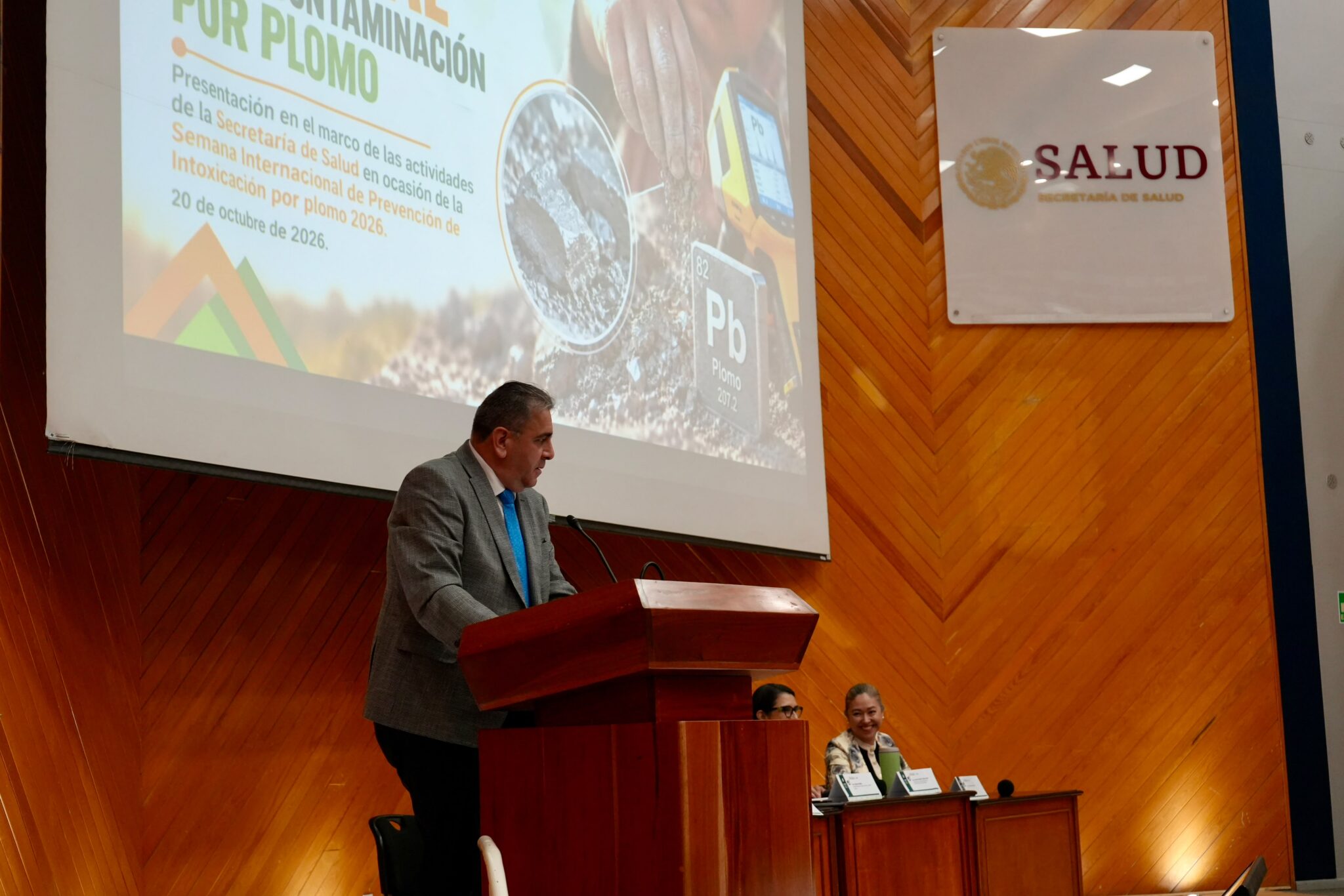
To show that tradition and safety can go together, Pure Earth Mexico also hosted an exhibition celebrating lead-free pottery on October 20. The team shared Mexico’s experience in the regional Latin America webinar and the global cookware webinar, where Dr. Alejandra Cantoral of Universidad Iberoamericana joined the panel.
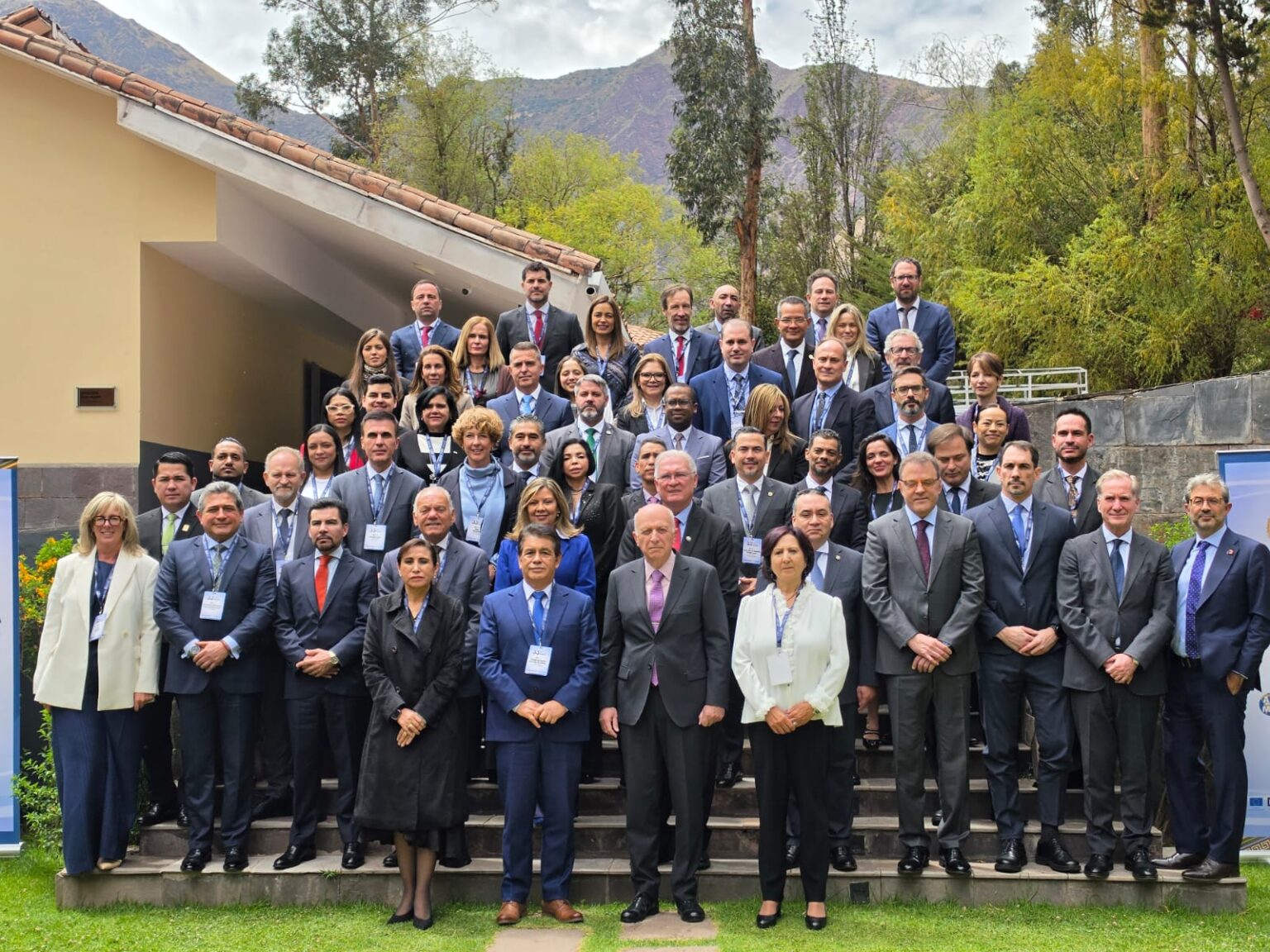
Pure Earth Peru’s partnership with the Public Prosecutor’s Office has reached another milestone. As part of this cooperation agreement, Pure Earth took part in the 33rd Ordinary General Assembly of the Ibero-American Association of Public Prosecutors where efforts were made to include lead and other heavy metal pollution affecting children among the priorities of the Environmental Protection Network’s roadmap for environmental crime investigations. This progress was reflected in Conclusion 28 of the Assembly. In a related effort, Pure Earth Peru published a video in collaboration with the Public Prosecutor’s Office, in which Peru’s Attorney General discusses the harm caused by lead and highlights the partnership with the organization.
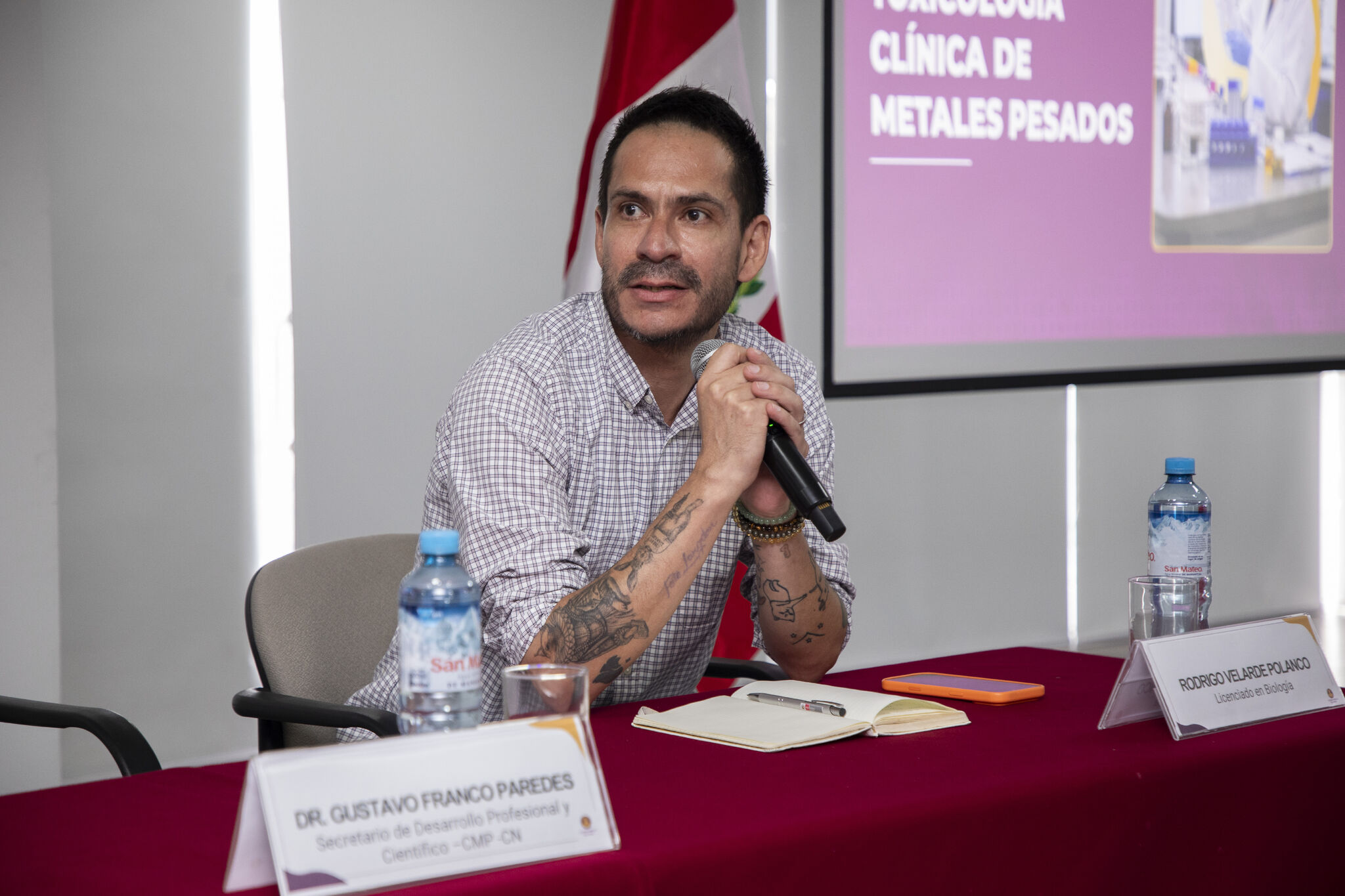
Meanwhile, collaboration with the Ministry of Health was reflected in various technical exchange and awareness-raising activities. One of these was the National Course-Workshop on Clinical Toxicology of Heavy Metals, organized by the Peruvian Medical Association and the Ministry of Health, where Pure Earth Peru Country Director Rodrigo Velarde presented the organization’s progress in reducing lead exposure. Pure Earth also moderated a roundtable discussion in which heavy metals strategy coordinators from five regions shared their experiences in preventing and addressing this issue.
This joint work also reached local communities. In Mi Perú, Callao, children, families, and local residents took part in an awareness parade organized by MINSA through the Callao Regional Health Directorate (DIRESA Callao) and the Mi Perú Health Center. During the activity, community members raised their voices to promote lead exposure prevention and protect children’s health.
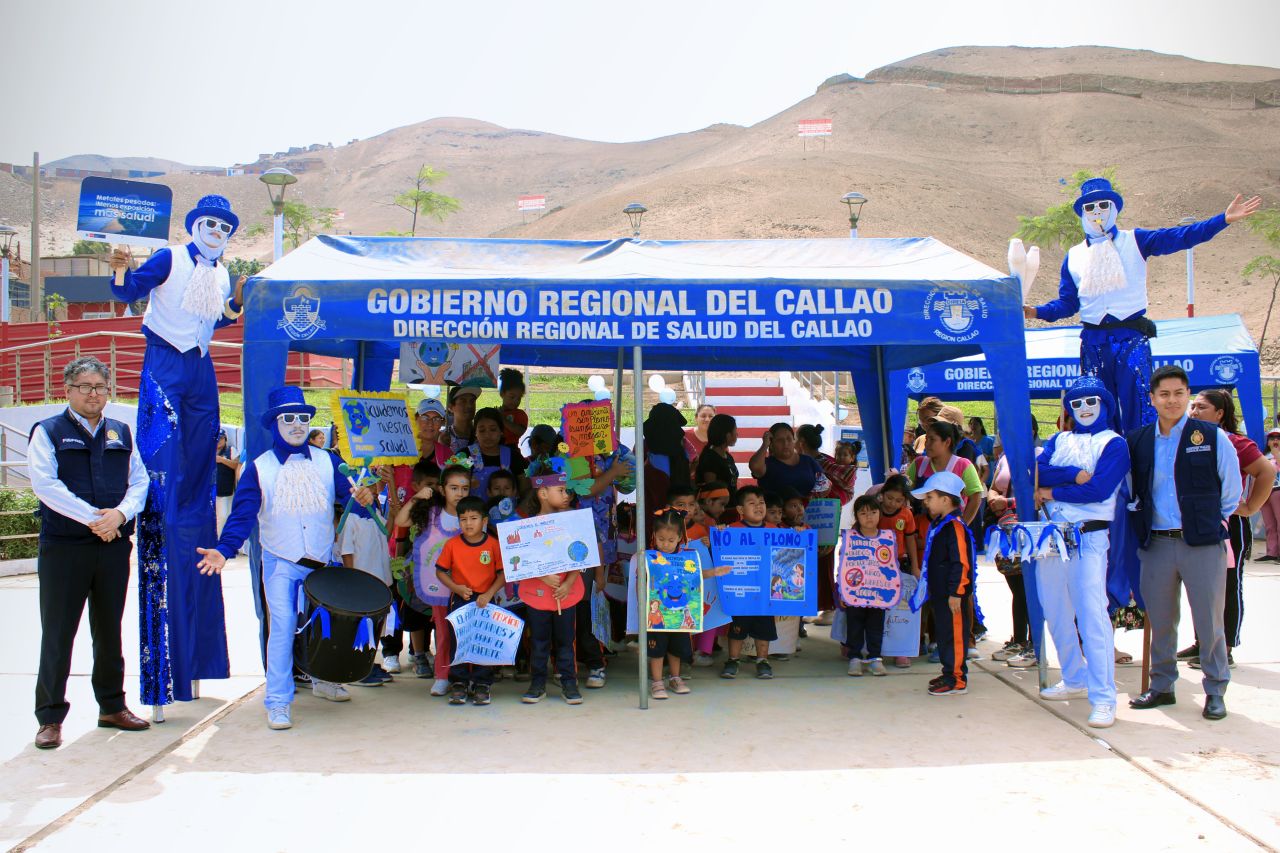
The parade was part of a broader agenda of public activities carried out with the Ministry, including discussion forums, fairs, and events for the school community, as well as a national communications campaign on lead exposure.
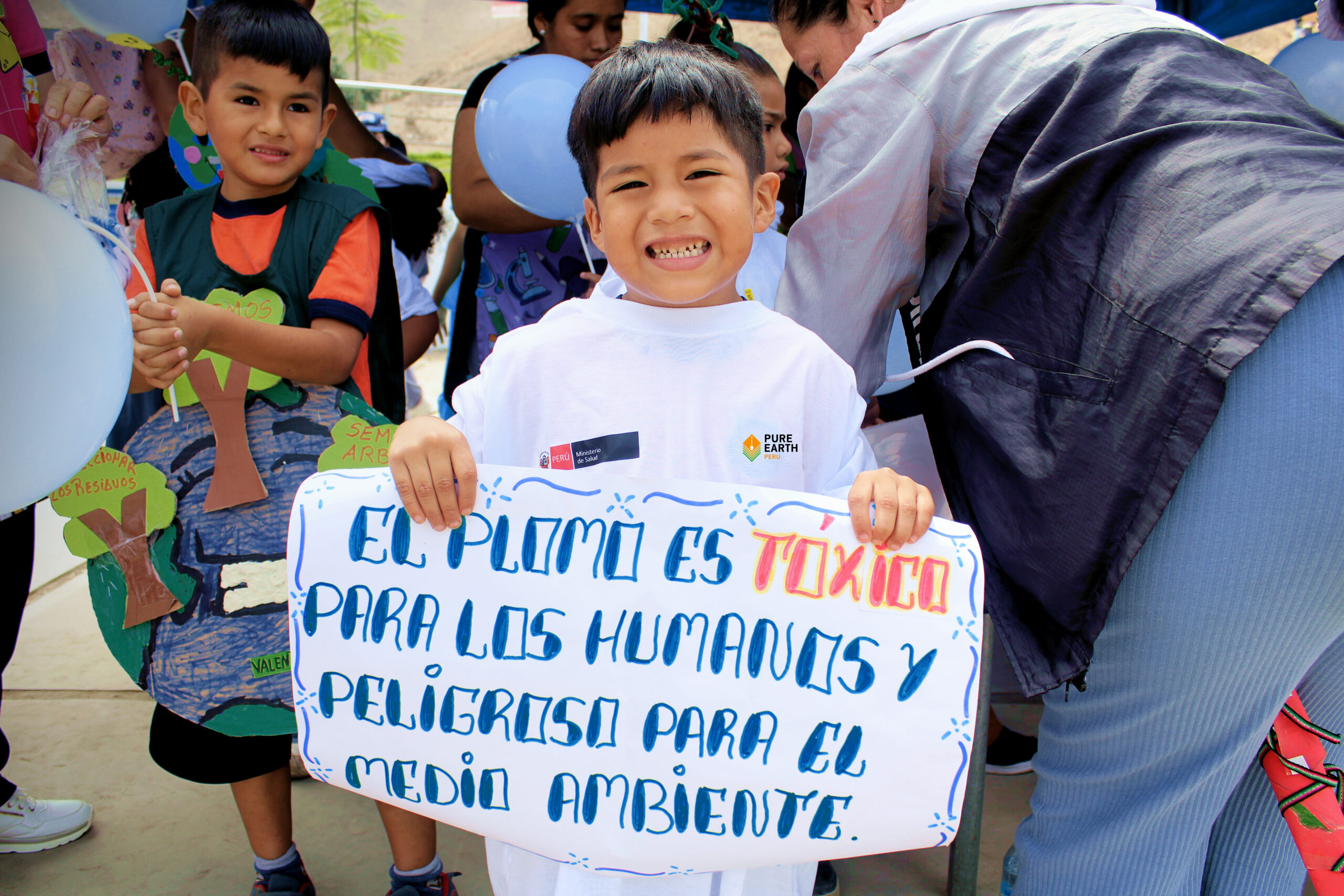
In the area of public policy efforts to prevent lead exposure, Pure Earth Peru joined the Lead Exposure Elimination Project at the presentation of Law No. 31182, which protects people’s health and physical well-being from lead content in paints and other coating materials. The event was held in collaboration with the Ministry of Health, through the General Directorate of Environmental Health and Food Safety.
Pure Earth Brazil added to the global social campaign during ILPPW in our webinar, and the momentum continued after the week. On October 26–27, the team joined the Ministry of Environment and Climate Change’s Lead Working Group in person to finalize Brazil’s National Lead Action Plan. The finalized plan was handed to Minister João Paulo Capobianco, who shared all about it on his Instagram.
The team will also attend and speak at a Vital Strategies event on November 4 launching new biomonitoring work with the Ministry of Health and the University of São Paulo.
In Bangladesh, the path from detection to prevention came together in a single afternoon. On October 14, Pure Earth Bangladesh hosted a high-level seminar “Advancing to a Lead-Free Bangladesh: Scaling Solutions, Driving Youth Action.” The team organized it with the Ministry of Environment, Forest and Climate Change (MoEFCC) and the Department of Environment (DoE), following the government’s approval of the National Strategy and Multi-Year Action Plan for a Lead-Free Bangladesh (2026–2035). Environment Minister Abdul Awal Mintoo attended as Chief Guest, and Dr. Fahmida Khanom, Acting Secretary of MoEFCC, chaired the event.
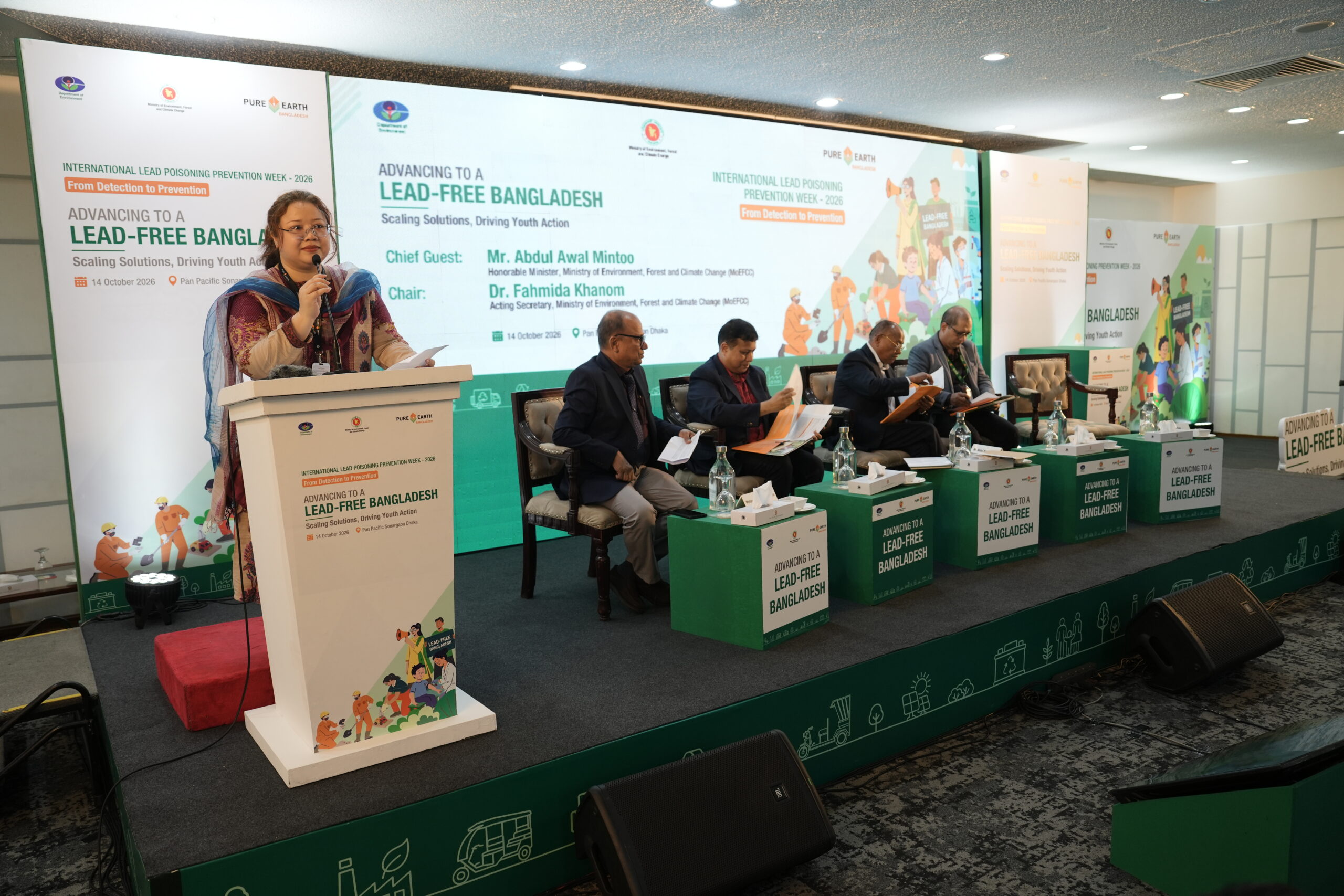
More than 100 participants attended. They came from key government agencies, including the Institute of Epidemiology, Disease Control and Research, the National Board of Revenue the Department of Agricultural Extension, and the Local Government Division They were joined by the private sector, development partners, academia and civil society, including UNICEF, ESDO, NACOM and BIGD.
The program featured final findings from the lead-contaminated site remediation and blood lead level study in Labanchora, Khulna. Pure Earth also handed over two portable XRF analyzers to the Department of Environment, strengthening its capacity to detect lead, and the seminar launched the National Youth Alliance for a Lead-Free Bangladesh.
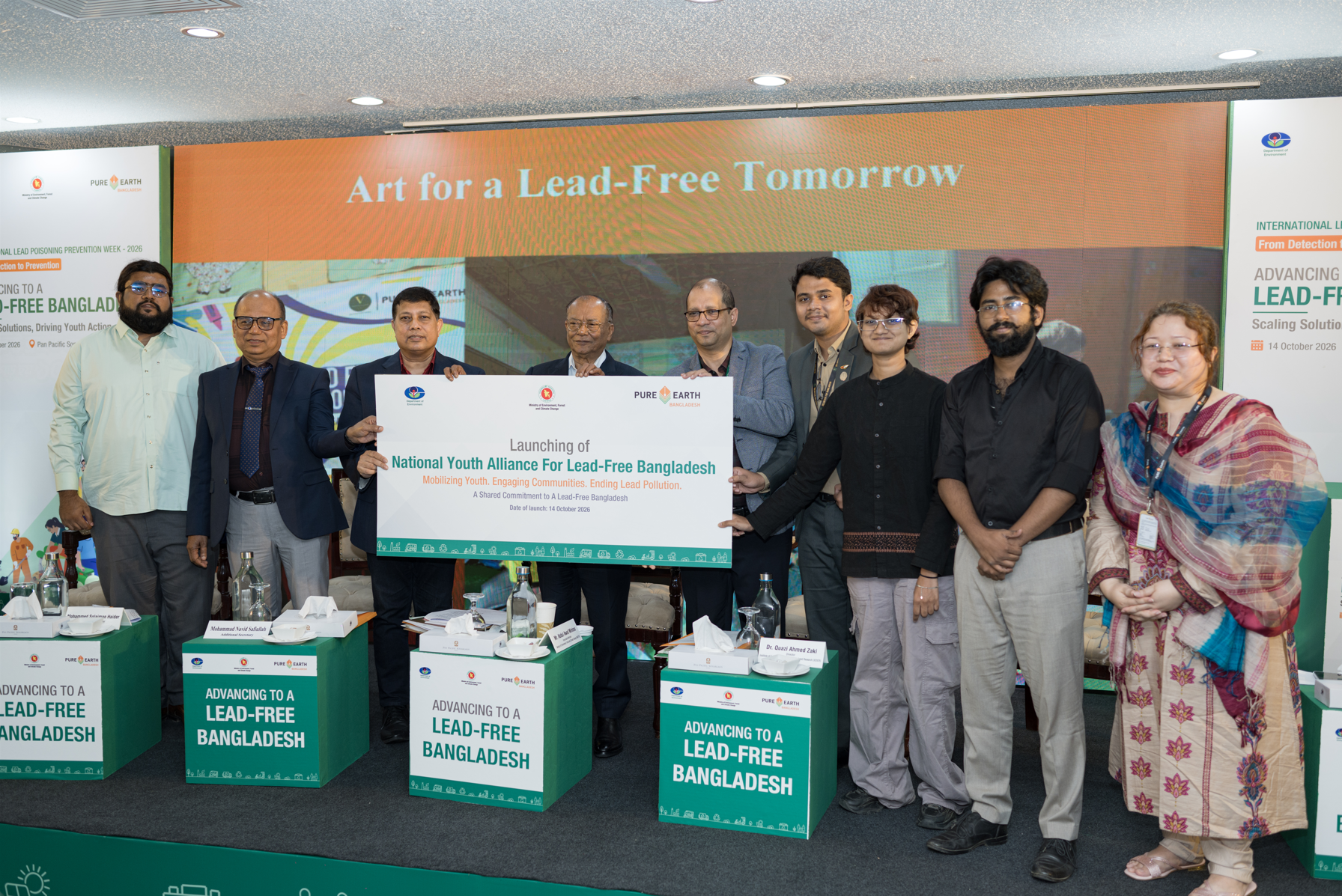
Youth creativity took center stage as well. Awards went to the winners of the “Art for a Lead-Free Tomorrow” competition, organized by Volunteer for Bangladesh, and to the best ideas from the “Local Action for Lead-Free Communities” workshops, organized by Earth Development Foundation, both with support from Pure Earth.
The event drew coverage from at least 10 national outlets, including the Dhaka Tribune, UNB, BSS and The Daily Asian Age.
In India, Pure Earth’s ILPPW campaign put government leaders in the spotlight. The team’s social media series featured quotes and testimonials from national and state partners on what it will take to end lead exposure in India. In Bihar, workshops with traders were held just ahead of the week, educating 150 traders on the dangers of lead adulteration in spices, especially turmeric.
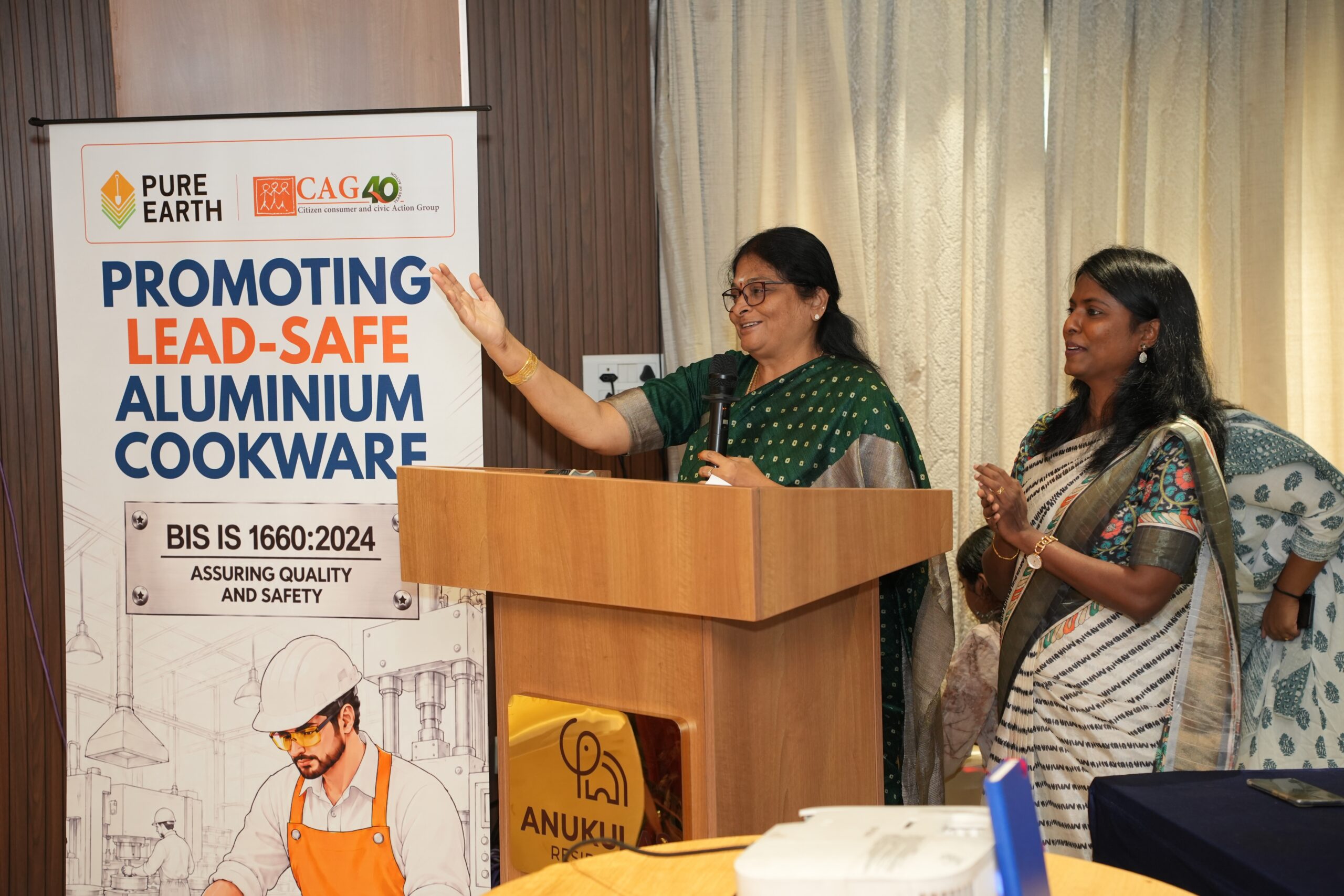
In Tamil Nadu, a workshop was organized to promote lead-safe cookware, with participation from more than 20 manufacturers and traders, Bureau of Indian Standards, the District Industries Centre, and the state Pollution Control Board.
The Indonesia team joined the University of Indonesia’s Faculty of Medicine at the Women’s Health Expo and Bazaar on October 11–12 for a talk show, lead education, XRF demonstrations and mini games. During the talk show, a community health worker shared her experience working with Pure Earth.
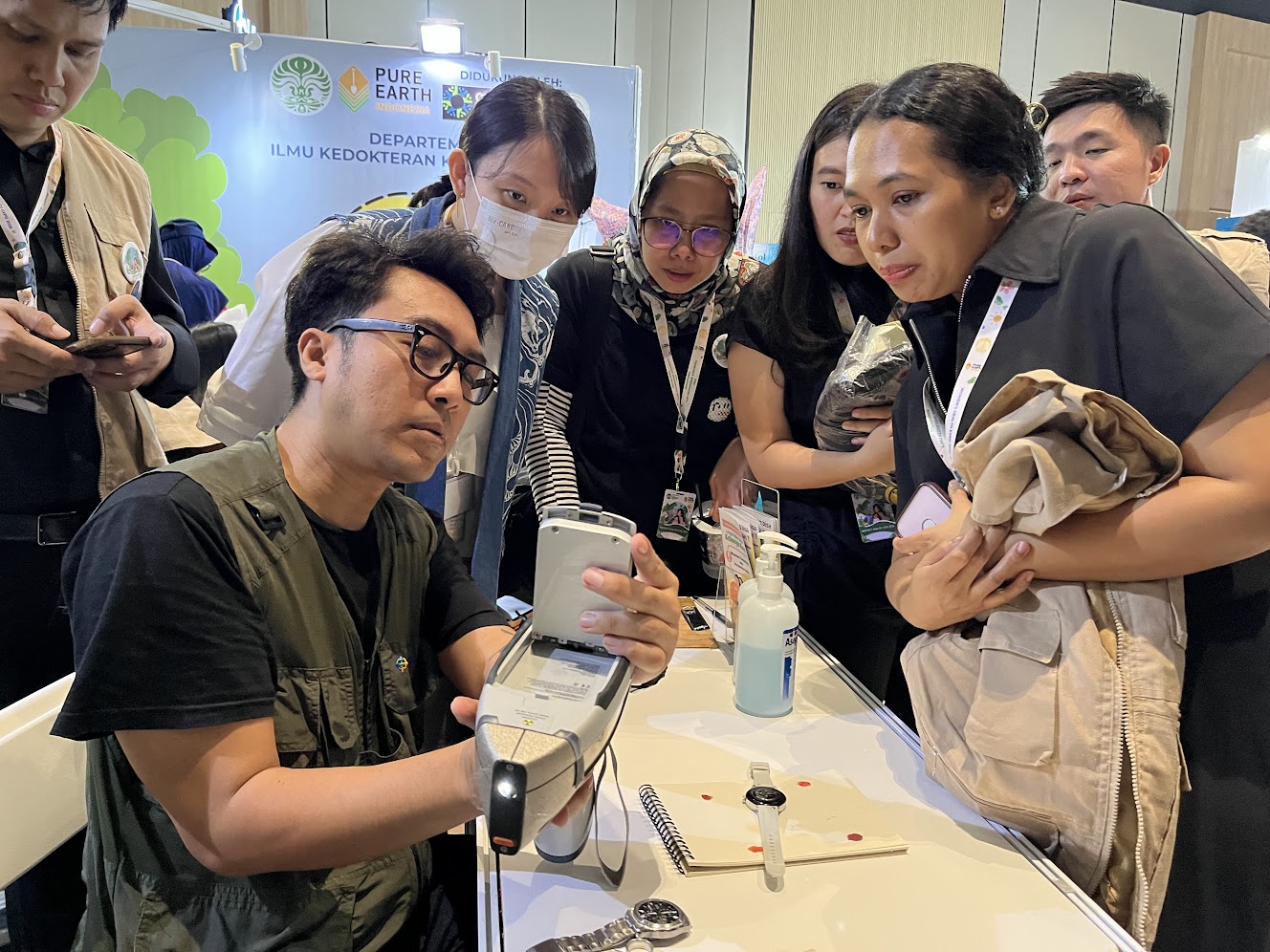
The partners teamed up again on October 20 to host From Detection to Prevention: Working Together to Protect Indonesia from Lead Exposure, kicking off the Technical Support to the Government and Formal Industries on ULAB Recycling Sector program, part of Pure Earth’s broader initiative, Mitigating Lead Exposure in Indonesia: Improving Used Lead-Acid Battery Recycling Practices. The event brought together government representatives, health professional organizations, industry associations, development partners, media and community groups. Seven health professional organizations presented, partners signed a Joint Declaration, and visitors brought everyday items to be tested for lead.
Pure Earth Philippines’ new Lead Prevention Spotlight Series shows how the country is turning lead detection into lasting prevention, recognizing the government, health, industry and civil society partners driving the work.
Episode 1, From Assessment to Lead-Safe City, premiered at Valenzuela City’s ILPPW event. It follows the city’s journey from blood lead screening and source assessments to a local ordinance and an emerging Lead-Safe City model.
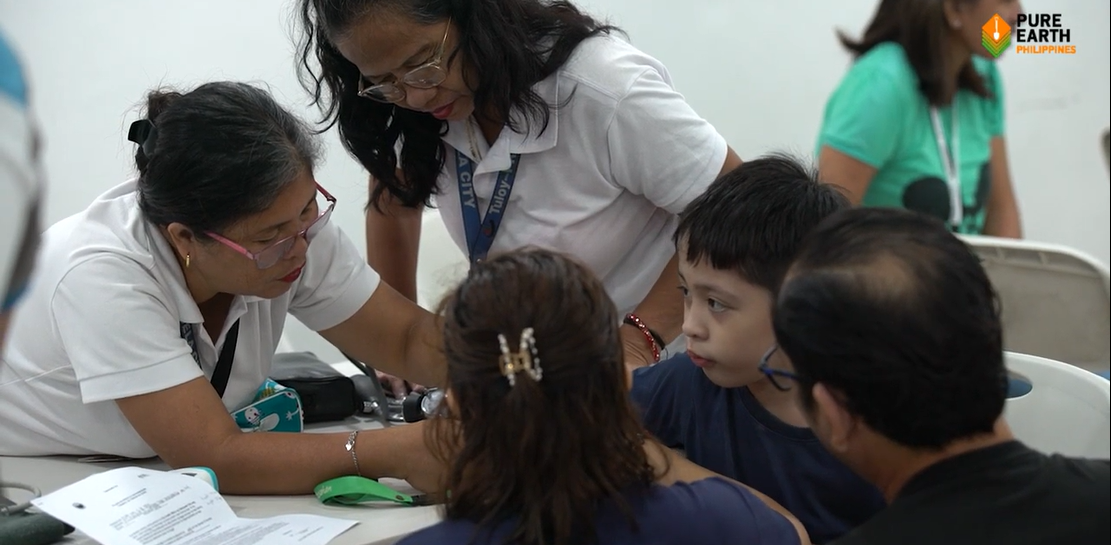
Kyrgyzstan packed a full week with action, taking lead prevention from newsrooms and shopping malls to government offices and across borders. Working alongside the Ministry of Health, the program reached journalists, families, health specialists and neighboring governments:
Pure Earth partner Ekois-Bishkek hosted a webinar on October 16 for equipping journalists to report accurately on lead exposure, with experts from the Ministry of Health’s disease prevention department, the National Institute of Public Health and the Republican Center for Health Promotion.
On October 19, the team hosted “Safe Home, Healthy Future,” a public event at Bishkek Park, one of the capital’s major shopping centers. Families got specialist consultations, interactive stations, games and quizzes on where lead hides at home, from paint and glossy ceramics to toys and dust.
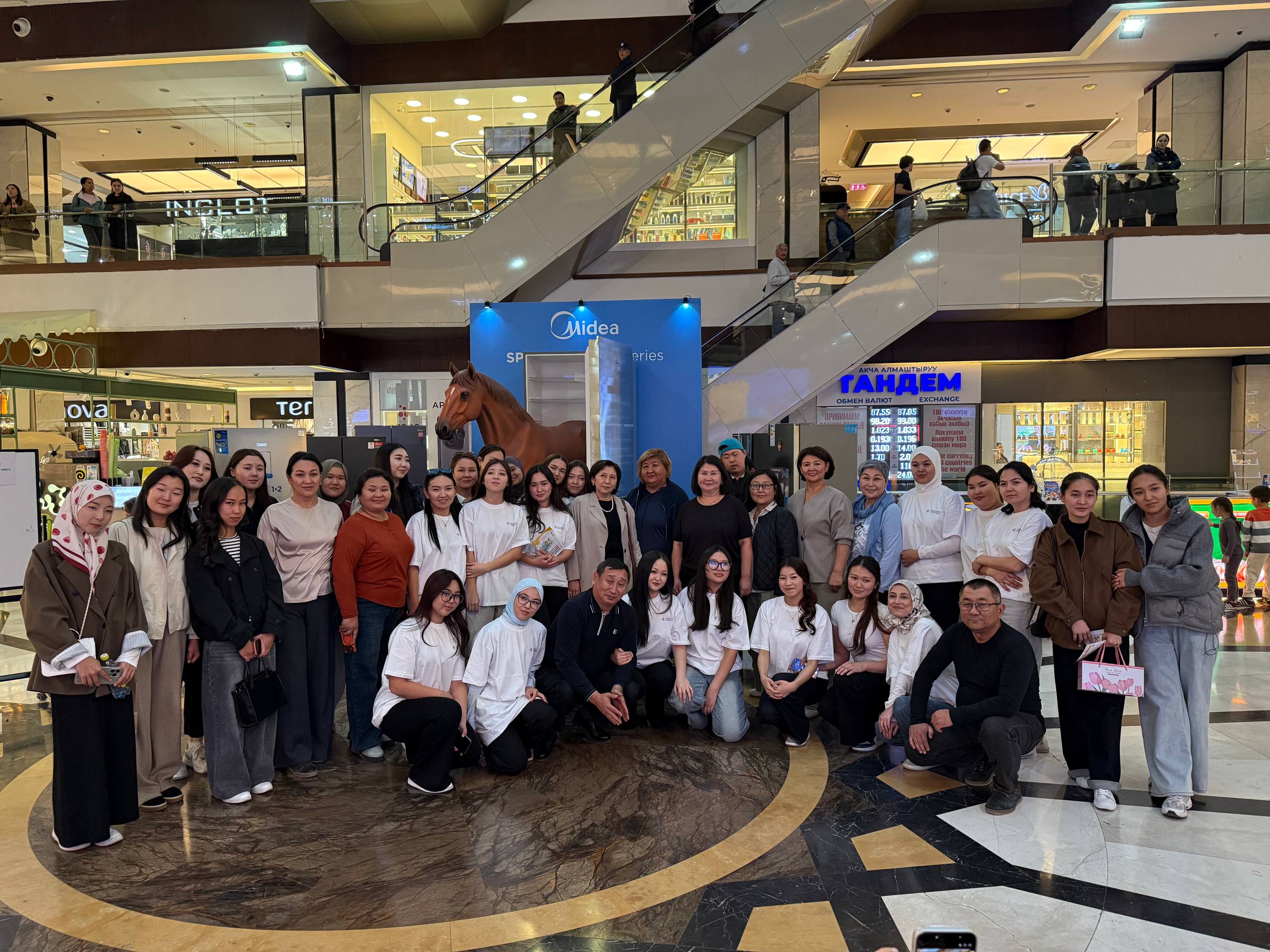
Deputy Minister of Health Gulbara Ishenapysova opened the event. She announced that the ministry is developing a clinical protocol for health workers, building laboratory capacity to test children’s blood lead levels, and drafting a national lead program.
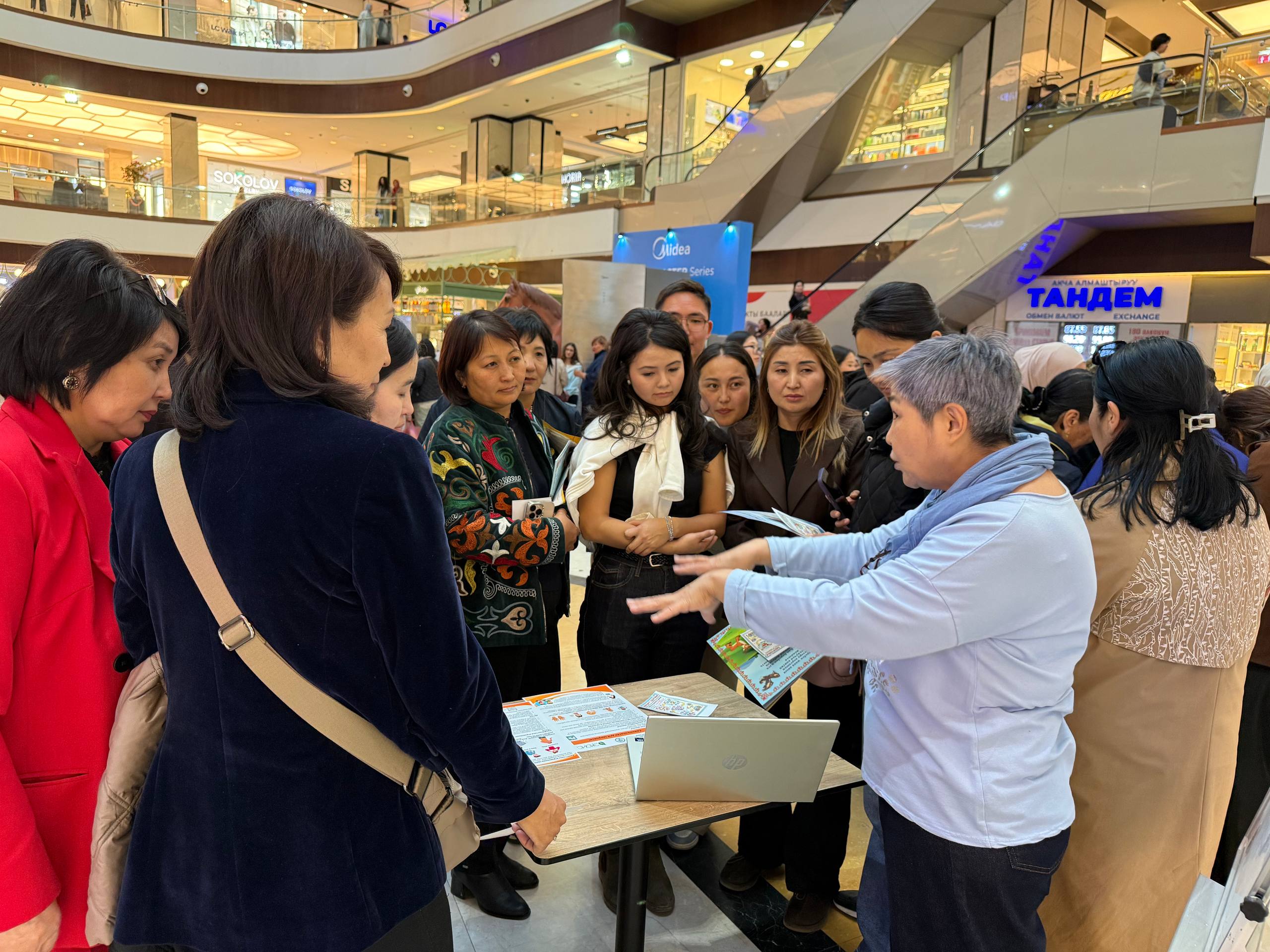
Organizers, volunteers and Ministry of Health partners gather at Bishkek Park on October 19 for “Safe Home, Healthy Future,” a public event on protecting homes from lead.
On October 23, Pure Earth connected Kyrgyz public health specialists with Georgia’s National Center for Disease Control and Public Health for a webinar on learnings from their successful program to reduce lead in spices. After finding lead in spices in 2020-2021, Georgia worked with its National Food Agency on market assessments and vendor awareness. By 2023, follow-up testing found no elevated lead in the samples examined, offering a model as Kyrgyzstan builds its own national system.
On October 26, Ministry of Health specialists examined the regulatory framework governing lead content in paints and coatings within the Eurasian Economic Union (EAEU). The EAEU Technical Regulation 053/2026, “On the Safety of Paints and Coatings,” introduces new requirements for paint products and goes into effect in 2032.
As part of the Clean Ethiopia for Generations campaign, Pure Earth and the Ethiopian Environmental Protection Authority conducted on-the-spot XRF measurements of consumer goods, household utensils, and other items to demonstrate potential sources of lead contamination to policymakers and key stakeholders. Complementing these efforts, locally relevant educational materials were widely distributed, helping to bring critical lead poisoning prevention messages directly to communities across Ethiopia.
These vital efforts are building momentum toward a major national milestone: the official launch of Ethiopia’s roadmap for lead exposure prevention on November 15.
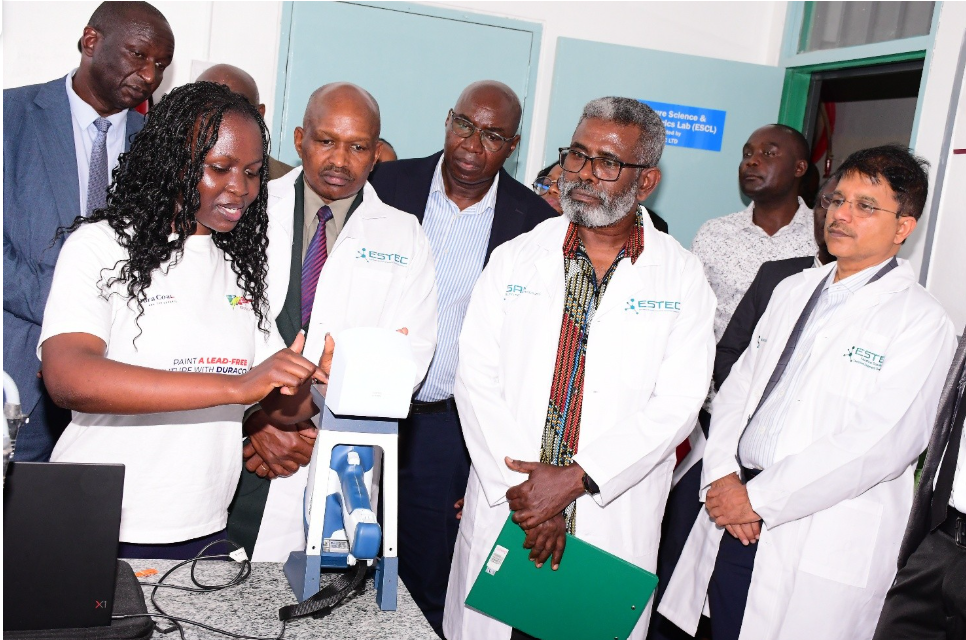
Pure Earth joined the University of Nairobi on October 23 to commission its upgraded Exposure Science and Chemometrics Laboratory, strengthening Kenya’s capacity to identify sources of lead exposure and generate local evidence for prevention across East Africa. Pure Earth contributed key equipment to the lab, and East Africa Director Firew Kefyalew noted, “The real measure of this laboratory will be the exposures prevented and the children protected.”
Benjamin Cheabu of Pure Earth Ghana and Evans Aseidu of the Ghana Standards Authority spoke on the October 22 cookware webinar about Ghana’s new regulation restricting lead in cookware.
The team also shared its expertise across the region. Following a regional Training of Trainers in Accra, the team’s Technical Program Manager co-facilitated training in Pure Earth’s Toxic Sites Identification Program for 12 experts from Ethiopia’s Environmental Protection Authority, Ministry of Health and Food and Drug Authority. Watch the team in action as they use XRF analyzers to detect lead contamination at a battery recycling site and other contaminated products.
This year’s ILPPW theme describes the path Pure Earth’s country programs are on as we SCALE. Detection comes first, through blood lead surveys, XRF screening of consumer products, and site assessments. Across this week, our teams shared how evidence is turning into action.
Lead poisoning is preventable. The tools to find it exist, and so do the solutions that stop it. The work now is to scale both.
Lead poisoning is one of the world’s most widespread health threats, and one of the hardest to see. More than one billion children are estimated to have elevated levels of lead in their blood. Most show no obvious symptoms. Lead hides in spices, cookware, paint, toys and the soil near… Read More Advocacy and Awareness Raising, Events, Global Highlights, Lead Poisoning Prevention Initiative, Lead Pollution, Mitigating Lead Exposure in Low- and Middle-Income Countries, Pure Earth SCALE Initiative, Pure Earth Updates, Research, Strengthening Health Systems to Reduce Lead Exposure The Pollution Blog [#item_full_content]