
Recent activities include blood lead screening and comprehensive care in Cañete, the collection of epidemiological forms and environmental surveillance in Pasco, and the supervision of sentinel health facilities in Lima North.

Lima Region: blood lead screening begins in Cañete
The Cañete-Yauyos Integrated Health Network (RIS) began a comprehensive care campaign for children under 5 years of age in the district of Nuevo Imperial, Cañete, as part of efforts to strengthen the prevention, detection, and timely care of exposure to heavy metals.
During the campaign, blood samples were collected and children received care in different medical specialties. The information obtained through this screening will help determine whether lead is present in the blood of the population assessed, in order to guide the appropriate care based on the results.
For this purpose, health personnel used the LeadCare II, a portable device that enables the rapid and effective measurement of this heavy metal in blood samples. The equipment was donated to the prioritized health facilities participating in the project.
The campaigns will continue soon in the other targeted districts of the region.
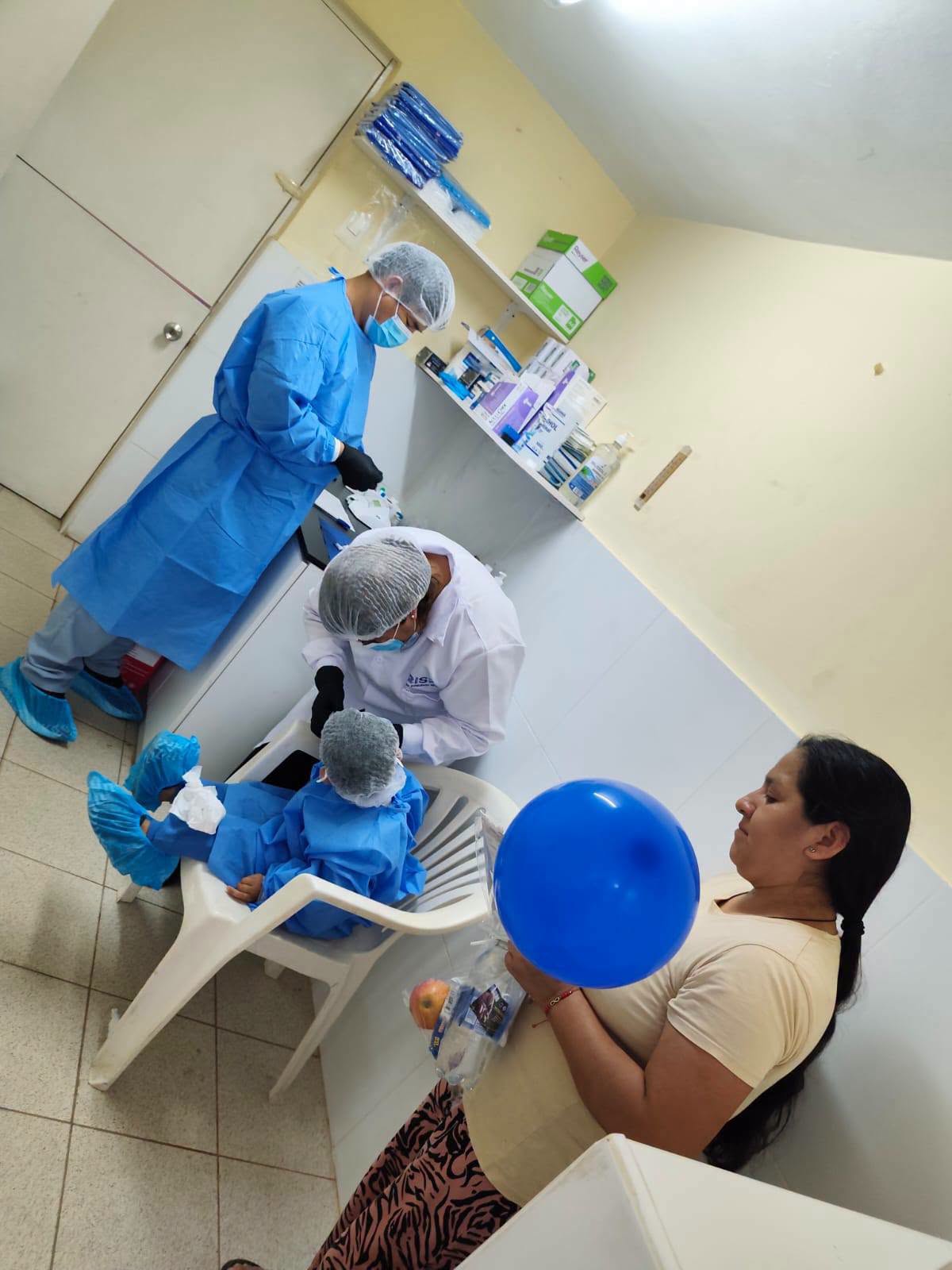
Image: DIRESA Lima
Source: DIRESA Lima (https://www.facebook.com/share/p/1EeSfzXtdC/)
Pasco: epidemiological forms advance population follow-up
In Pasco, the technical team from DIRESA and personnel from the selected health facilities have been conducting visits to targeted households to administer epidemiological forms, as well as awareness-raising activities and providing recommendations to prevent potential sources of lead exposure. The information collected will support population follow-up and guide future care, as part of the stages planned under the project.
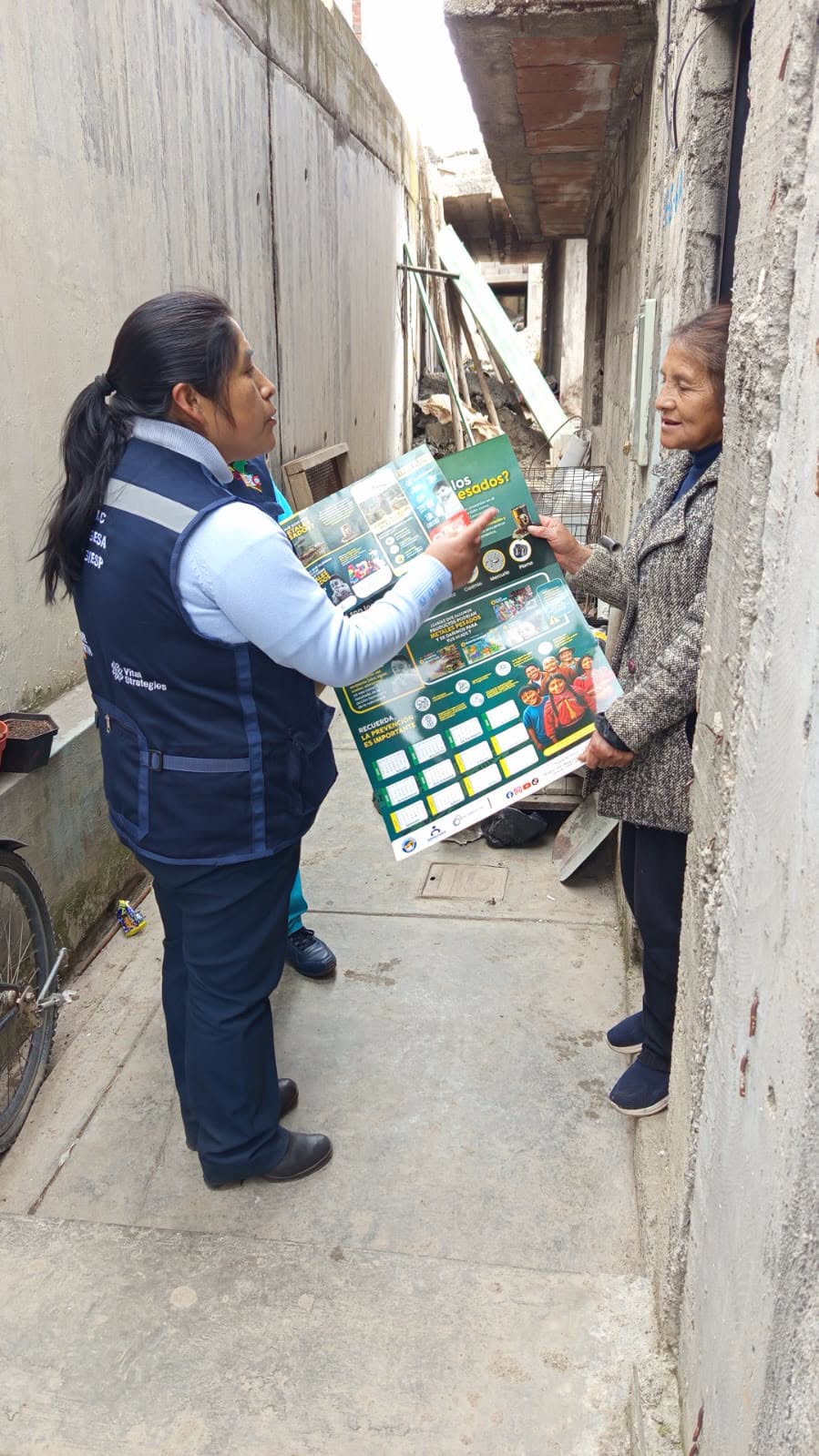
Image: DIRESA Pasco
At the same time, progress was reviewed in the implementation of laboratories and the delivery of protective equipment to the Uliachín and Paragsha health facilities, where 200 children will receive comprehensive care, including the corresponding screening.
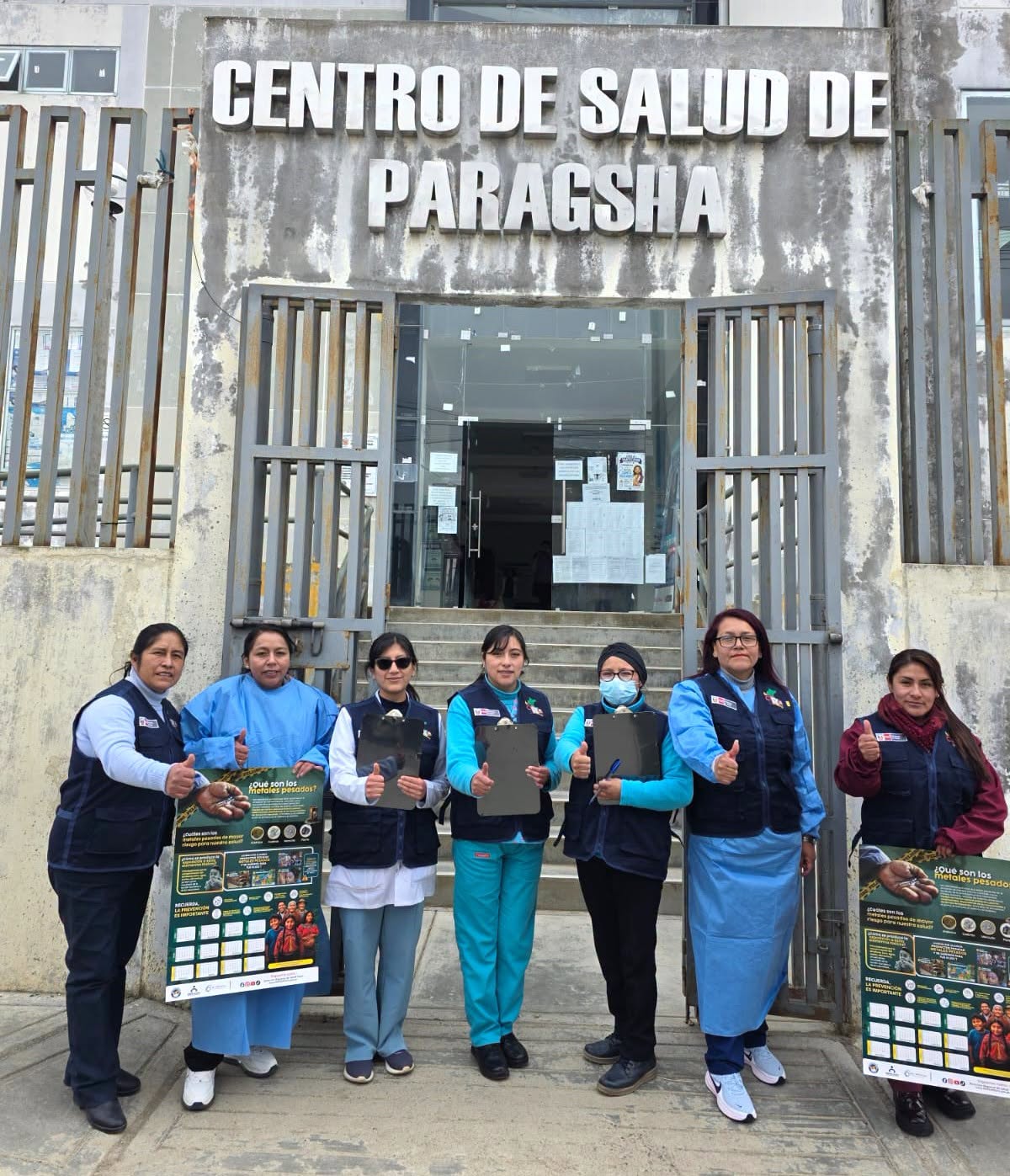
Image: DIRESA Pasco
Likewise, as part of environmental health surveillance activities, technical assistance was provided at the beginning of the month to personnel responsible for this work, focusing on the surveillance of residential-use soils and parks, as well as the quality of water for human consumption, with the participation of specialists from the General Directorate of Environmental Health (DIGESA). Environmental monitoring was subsequently carried out, including water and soil sampling in the jurisdictions of the Uliachín and Paragsha health centers.
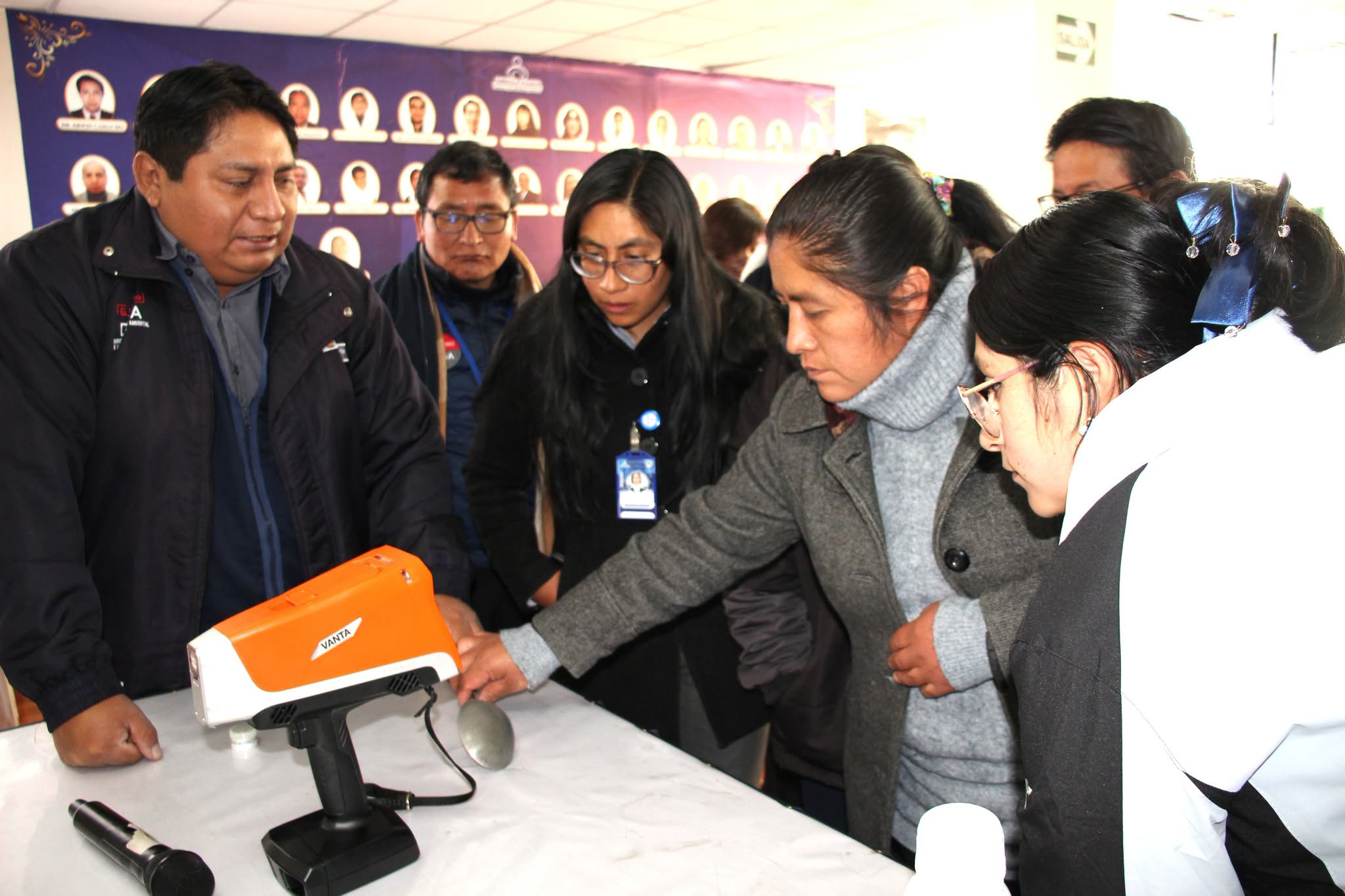
Image: DIRESA Pasco
Source: DIRESA Pasco (https://www.facebook.com/share/p/14kfth3wyVV/ https://www.facebook.com/share/p/1F9ykbQQiM/ https://www.facebook.com/share/p/19Mnmzq1ER/)
Lima North: supervision of sentinel health facilities
In Lima North, a supervision and technical assistance session was conducted to assess progress in epidemiological surveillance for lead exposure and comprehensive care for children under 5 years of age at sentinel health facilities.
The session included a review of the implementation of these activities at facilities such as the Juan Pablo II Health Center in Carabayllo.
Source: DIRIS Lima North (https://www.facebook.com/share/p/18eGeab5XQ/ https://www.facebook.com/share/p/1CVawDHheC/)
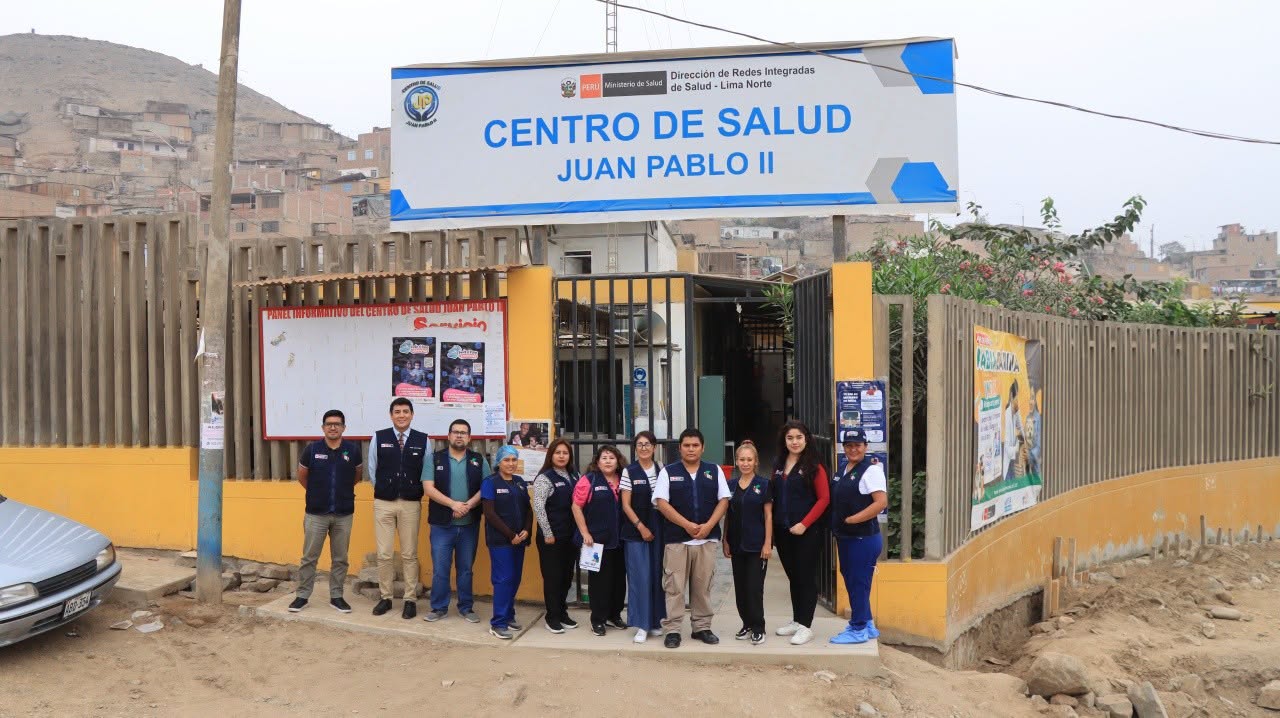
Image: DIRIS Lima North
A project that strengthens surveillance and prevention
The “Strengthening Health Systems to Reduce Lead Exposure” project, under which these activities are being carried out, seeks to strengthen the health system’s capacity to monitor lead exposure among children, as well as improve the collection of environmental health data through the establishment of a national surveillance system. In addition, the project aims to increase knowledge about sources and pathways of exposure, generating information to help guide prevention efforts.
The project is implemented by Pure Earth Peru in partnership with the Ministry of Health and Vital Strategies.
Recent activities include blood lead screening and comprehensive care in Cañete, the collection of epidemiological forms and environmental surveillance in Pasco, and the supervision of sentinel health facilities in Lima North. Lima Region: blood lead screening begins in Cañete The Cañete-Yauyos Integrated Health Network (RIS) began a comprehensive care campaign… Read More The Pollution Blog
Recent activities include blood lead screening and comprehensive care in Cañete, the collection of epidemiological forms and environmental surveillance in Pasco, and the supervision of sentinel health facilities in Lima North.
Lima Region: blood lead screening begins in Cañete
The Cañete-Yauyos Integrated Health Network (RIS) began a comprehensive care campaign for children under 5 years of age in the district of Nuevo Imperial, Cañete, as part of efforts to strengthen the prevention, detection, and timely care of exposure to heavy metals.
During the campaign, blood samples were collected and children received care in different medical specialties. The information obtained through this screening will help determine whether lead is present in the blood of the population assessed, in order to guide the appropriate care based on the results.
For this purpose, health personnel used the LeadCare II, a portable device that enables the rapid and effective measurement of this heavy metal in blood samples. The equipment was donated to the prioritized health facilities participating in the project.
The campaigns will continue soon in the other targeted districts of the region.
Image: DIRESA Lima
Source: DIRESA Lima (https://www.facebook.com/share/p/1EeSfzXtdC/)
Pasco: epidemiological forms advance population follow-up
In Pasco, the technical team from DIRESA and personnel from the selected health facilities have been conducting visits to targeted households to administer epidemiological forms, as well as awareness-raising activities and providing recommendations to prevent potential sources of lead exposure. The information collected will support population follow-up and guide future care, as part of the stages planned under the project.
Image: DIRESA Pasco
At the same time, progress was reviewed in the implementation of laboratories and the delivery of protective equipment to the Uliachín and Paragsha health facilities, where 200 children will receive comprehensive care, including the corresponding screening.
Image: DIRESA Pasco
Likewise, as part of environmental health surveillance activities, technical assistance was provided at the beginning of the month to personnel responsible for this work, focusing on the surveillance of residential-use soils and parks, as well as the quality of water for human consumption, with the participation of specialists from the General Directorate of Environmental Health (DIGESA). Environmental monitoring was subsequently carried out, including water and soil sampling in the jurisdictions of the Uliachín and Paragsha health centers.
Image: DIRESA Pasco
Source: DIRESA Pasco (https://www.facebook.com/share/p/14kfth3wyVV/ https://www.facebook.com/share/p/1F9ykbQQiM/ https://www.facebook.com/share/p/19Mnmzq1ER/)
Lima North: supervision of sentinel health facilities
In Lima North, a supervision and technical assistance session was conducted to assess progress in epidemiological surveillance for lead exposure and comprehensive care for children under 5 years of age at sentinel health facilities.
The session included a review of the implementation of these activities at facilities such as the Juan Pablo II Health Center in Carabayllo.
Source: DIRIS Lima North (https://www.facebook.com/share/p/18eGeab5XQ/ https://www.facebook.com/share/p/1CVawDHheC/)
Image: DIRIS Lima North
A project that strengthens surveillance and prevention
The “Strengthening Health Systems to Reduce Lead Exposure” project, under which these activities are being carried out, seeks to strengthen the health system’s capacity to monitor lead exposure among children, as well as improve the collection of environmental health data through the establishment of a national surveillance system. In addition, the project aims to increase knowledge about sources and pathways of exposure, generating information to help guide prevention efforts.
The project is implemented by Pure Earth Peru in partnership with the Ministry of Health and Vital Strategies.