
Monitoring lead exposure in children and assessing water and soil quality are among the actions being carried out in prioritized territories as part of the “Strengthening Health Systems to Reduce Lead Exposure” project.
Across different regions of the country, environmental and epidemiological surveillance activities continue to generate information, strengthen the capacities of health teams, and contribute to timely care in response to lead exposure.
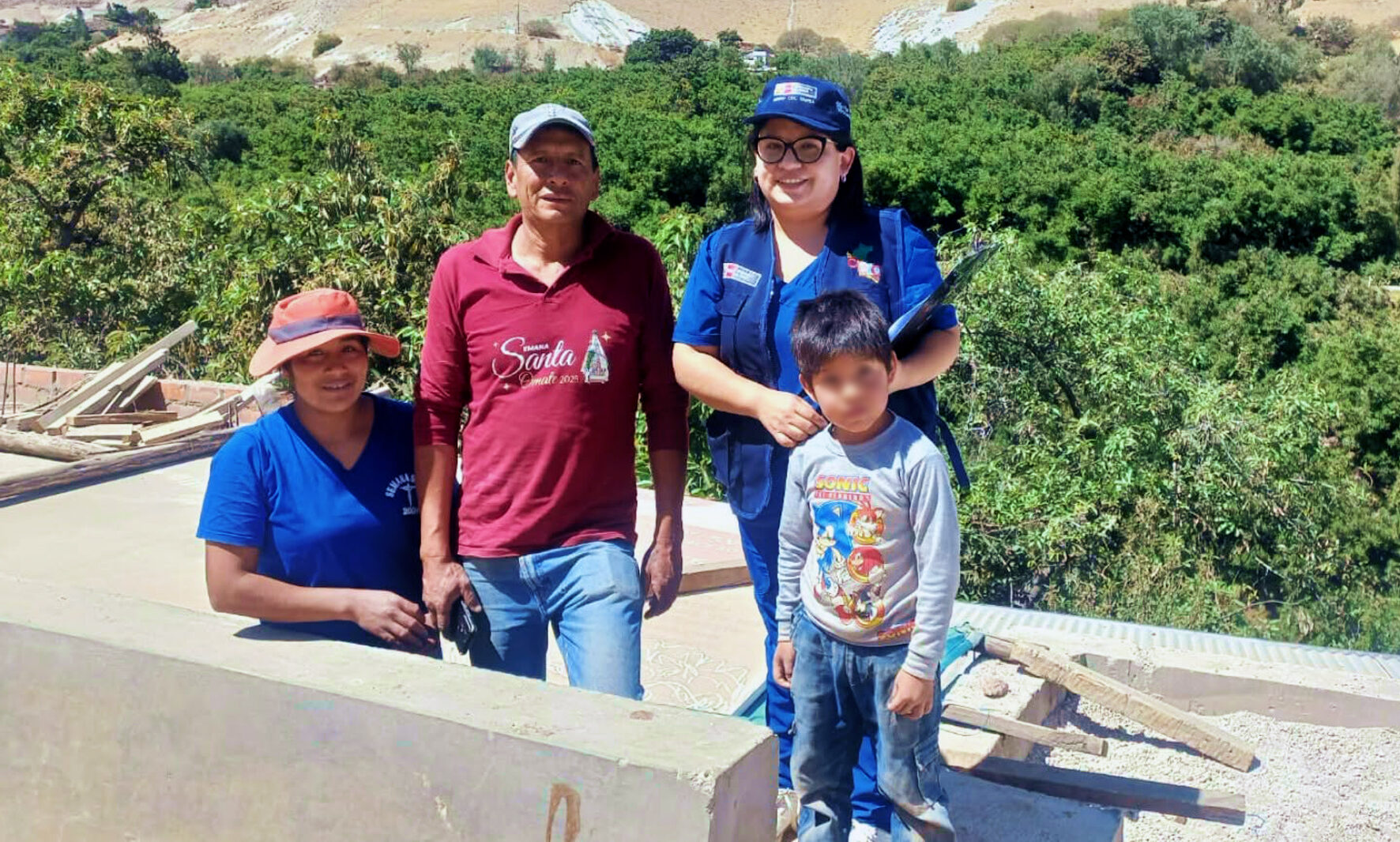
Follow-up on lead screening among children in Moquegua
In Moquegua, the Regional Health Directorate (DIRESA), through its Functional Epidemiology Unit and the region’s Integrated Health Network (RIS), is carrying out monitoring and follow-up activities for blood lead screening among children aged 1 to 4 who are enrolled in the Comprehensive Health Insurance (SIS), in coordination with the National Center for Epidemiology, Prevention and Control of Diseases (CDC Peru) of the Ministry of Health.
During August, these activities were carried out in the districts of Torata and Omate, with the participation of the corresponding health facilities.
These interventions make it possible to promptly identify potentially elevated blood lead levels, recognize factors associated with exposure, and carry out the corresponding follow-up through health services.
Lima Region strengthens water and soil surveillance
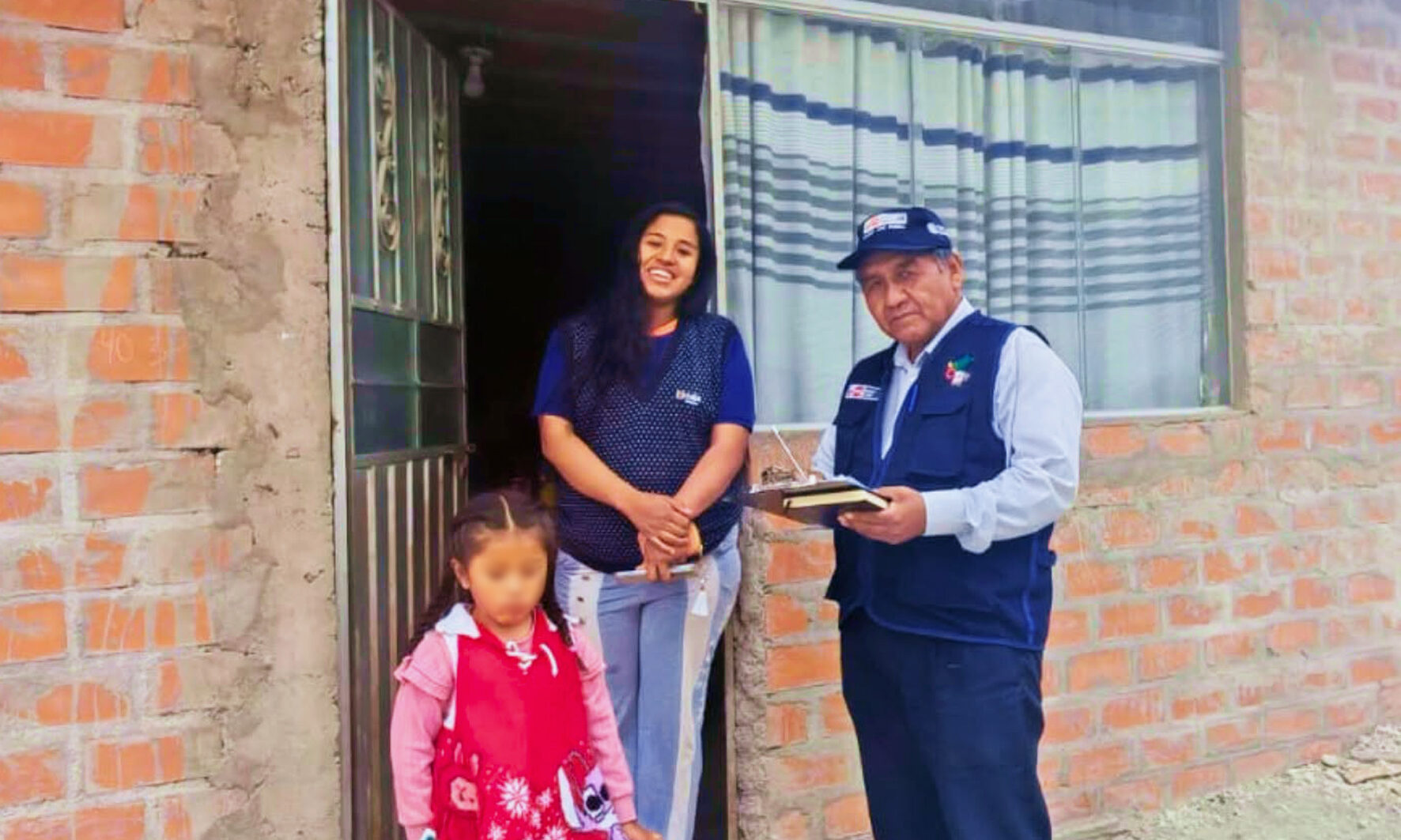
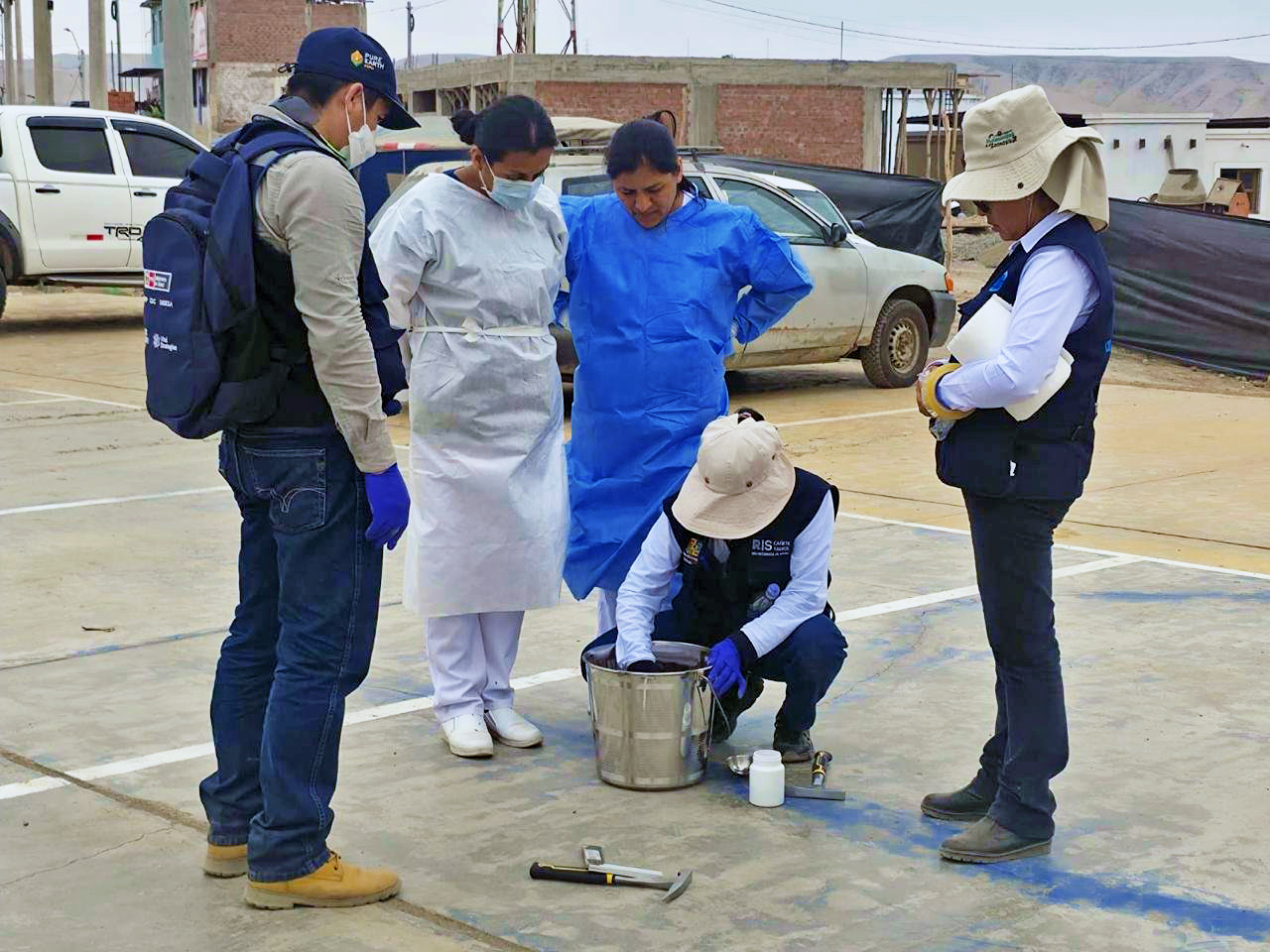
In Cañete, in Lima Region, the Ministry of Health, through the General Directorate of Environmental Health and Food Safety (DIGESA), provided technical assistance to the environmental health personnel of the Cañete-Yauyos Integrated Health Network (RIS) to strengthen procedures for monitoring the quality of water for human consumption and residential-use soil and soil in parks.
During the technical session, aspects related to sample collection, preservation, and transportation were reviewed, as well as the interpretation of results. Water and soil sampling activities were also carried out in the jurisdictions of Nuevo Imperial and Lunahuaná.
These activities are part of the environmental monitoring carried out by the project and will contribute to generating information to identify potential risks and guide health protection actions.
Pasco prepares for water and soil monitoring
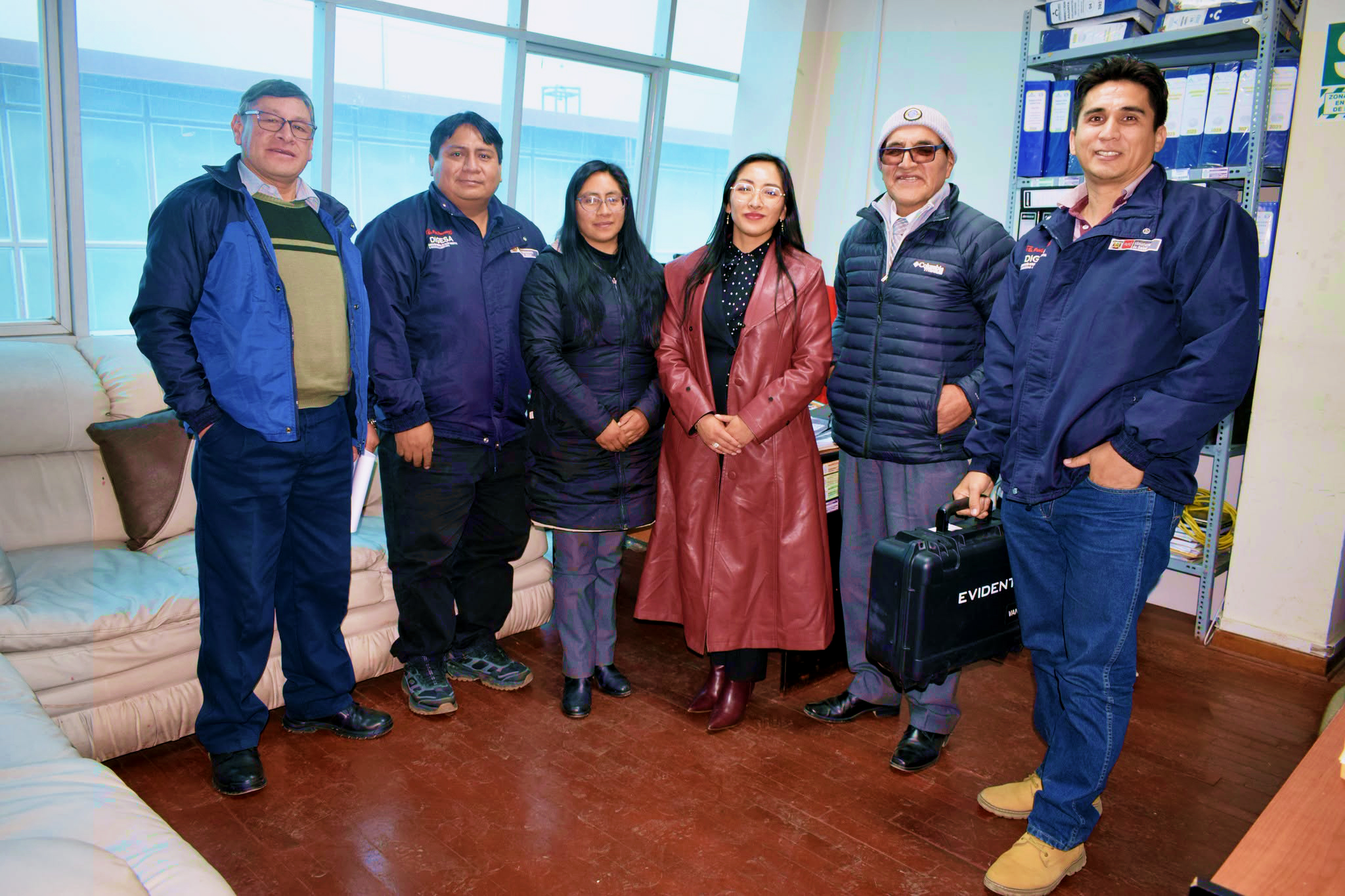
In Pasco, DIRESA and DIGESA teams coordinated upcoming water and soil monitoring activities in the population centers of Uliachín and Paragsha.
As part of these activities, the Environmental Health technical team will receive training on the use of specialized equipment, such as the LeadCare II, which will enable the detection of lead and other metals and provide faster and more accurate results.
Environmental monitoring will also continue soon at the sites designated by DIRESA, while in DIRIS Lima Norte, DIRESA Callao, Tacna, and Lima Region (Cañete), monitoring of water for human consumption and soil has already been completed, with the project’s first laboratory results obtained.
Building capacities within the health system
These advances are part of the “Strengthening Health Systems to Reduce Lead Exposure”” project, implemented under the Cooperation Agreement between Pure Earth Peru, the Ministry of Health, and Vital Strategies, which seeks to support health teams in the progressive integration of tools and capacities for environmental and epidemiological surveillance and comprehensive care.
According to Carlos Cabrel, Lead Projects Coordinator at Pure Earth Peru, the objective is to contribute to strengthening epidemiological surveillance, environmental health surveillance, and comprehensive care for lead exposure: “We hope that, by the end of the project, we will be able to provide the Ministry of Health with new tools and that, in the future, these can be expanded to preventive actions targeting children,” he said.
For his part, Rodrigo Velarde, Country Director of Pure Earth Peru, highlighted that one of the main contributions of this initiative is helping ensure that these capacities remain in the territories beyond the implementation period.
“The opportunity this project represents for Peru is not to bring in a one-time intervention that ends when the funding ends, but rather to build capacities that are sustainable within the system,” he said.
Over the coming weeks, the project will continue carrying out supervision, technical assistance, and monitoring activities across the eight prioritized territories, with the aim of continuing to generate evidence and strengthen the capacities needed for a sustainable response to lead exposure.
Monitoring lead exposure in children and assessing water and soil quality are among the actions being carried out in prioritized territories as part of the “Strengthening Health Systems to Reduce Lead Exposure” project. Across different regions of the country, environmental and epidemiological surveillance activities continue to generate information, strengthen the… Read More The Pollution Blog
Monitoring lead exposure in children and assessing water and soil quality are among the actions being carried out in prioritized territories as part of the “Strengthening Health Systems to Reduce Lead Exposure” project.
Across different regions of the country, environmental and epidemiological surveillance activities continue to generate information, strengthen the capacities of health teams, and contribute to timely care in response to lead exposure.
Follow-up on lead screening among children in Moquegua
In Moquegua, the Regional Health Directorate (DIRESA), through its Functional Epidemiology Unit and the region’s Integrated Health Network (RIS), is carrying out monitoring and follow-up activities for blood lead screening among children aged 1 to 4 who are enrolled in the Comprehensive Health Insurance (SIS), in coordination with the National Center for Epidemiology, Prevention and Control of Diseases (CDC Peru) of the Ministry of Health.
During August, these activities were carried out in the districts of Torata and Omate, with the participation of the corresponding health facilities.
These interventions make it possible to promptly identify potentially elevated blood lead levels, recognize factors associated with exposure, and carry out the corresponding follow-up through health services.
Lima Region strengthens water and soil surveillance
In Cañete, in Lima Region, the Ministry of Health, through the General Directorate of Environmental Health and Food Safety (DIGESA), provided technical assistance to the environmental health personnel of the Cañete-Yauyos Integrated Health Network (RIS) to strengthen procedures for monitoring the quality of water for human consumption and residential-use soil and soil in parks.
During the technical session, aspects related to sample collection, preservation, and transportation were reviewed, as well as the interpretation of results. Water and soil sampling activities were also carried out in the jurisdictions of Nuevo Imperial and Lunahuaná.
These activities are part of the environmental monitoring carried out by the project and will contribute to generating information to identify potential risks and guide health protection actions.
Pasco prepares for water and soil monitoring
In Pasco, DIRESA and DIGESA teams coordinated upcoming water and soil monitoring activities in the population centers of Uliachín and Paragsha.
As part of these activities, the Environmental Health technical team will receive training on the use of specialized equipment, such as the LeadCare II, which will enable the detection of lead and other metals and provide faster and more accurate results.
Environmental monitoring will also continue soon at the sites designated by DIRESA, while in DIRIS Lima Norte, DIRESA Callao, Tacna, and Lima Region (Cañete), monitoring of water for human consumption and soil has already been completed, with the project’s first laboratory results obtained.
Building capacities within the health system
These advances are part of the “Strengthening Health Systems to Reduce Lead Exposure”” project, implemented under the Cooperation Agreement between Pure Earth Peru, the Ministry of Health, and Vital Strategies, which seeks to support health teams in the progressive integration of tools and capacities for environmental and epidemiological surveillance and comprehensive care.
According to Carlos Cabrel, Lead Projects Coordinator at Pure Earth Peru, the objective is to contribute to strengthening epidemiological surveillance, environmental health surveillance, and comprehensive care for lead exposure: “We hope that, by the end of the project, we will be able to provide the Ministry of Health with new tools and that, in the future, these can be expanded to preventive actions targeting children,” he said.
For his part, Rodrigo Velarde, Country Director of Pure Earth Peru, highlighted that one of the main contributions of this initiative is helping ensure that these capacities remain in the territories beyond the implementation period.
“The opportunity this project represents for Peru is not to bring in a one-time intervention that ends when the funding ends, but rather to build capacities that are sustainable within the system,” he said.
Over the coming weeks, the project will continue carrying out supervision, technical assistance, and monitoring activities across the eight prioritized territories, with the aim of continuing to generate evidence and strengthen the capacities needed for a sustainable response to lead exposure.