
Pure Earth Peru and Wyss Academy for Nature join forces to implement restoration models that recover ecosystems, reduce mercury impact, and generate new sources of income for mining families.
Madre de Dios is a diverse and complex territory where unique biodiversity, Indigenous communities, and an economy shaped by extractive activities coexist, posing challenges for forest conservation and the well-being of those who depend on it. In Tambopata, this coexistence is strongly reflected in both the landscape and daily life: forests recede where vegetation once thrived, and mercury—used in much of artisanal and small-scale gold mining (ASGM)—leaves a silent footprint in water, soil, and human health.
ASGM, one of the main sources of income in the region, also concentrates significant environmental and public health concerns. On one hand, it accounts for nearly 50% of the regional GDP and supports more than 46,000 people¹; on the other, it is associated with deforestation processes and mercury contamination with cumulative impacts. In this context, the response cannot be simplistic. It is not only about prohibition, but about promoting real transitions toward more responsible and equitable practices—capable of restoring degraded areas, bringing life back to the soil, and opening up economic alternatives compatible with the forest.
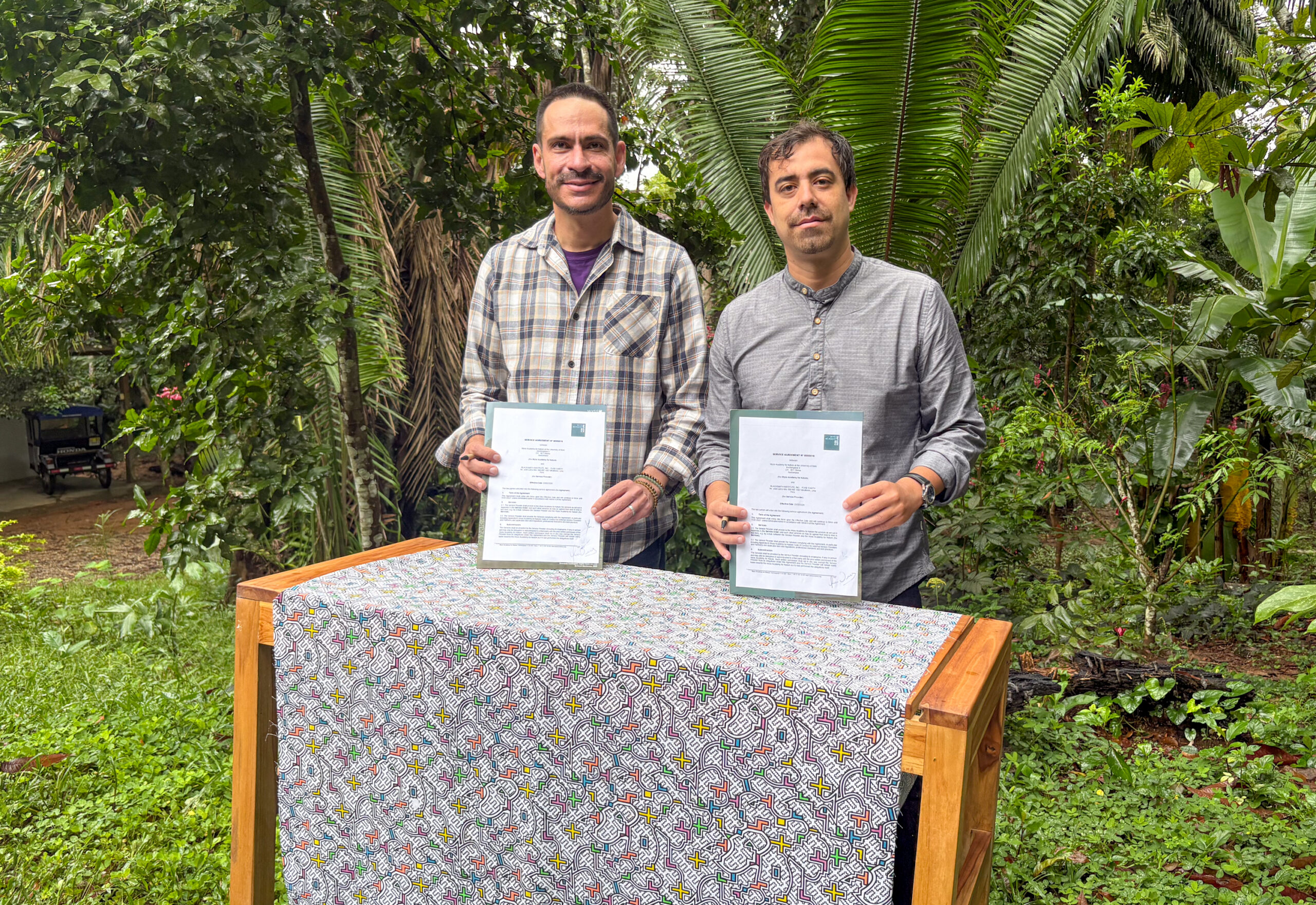
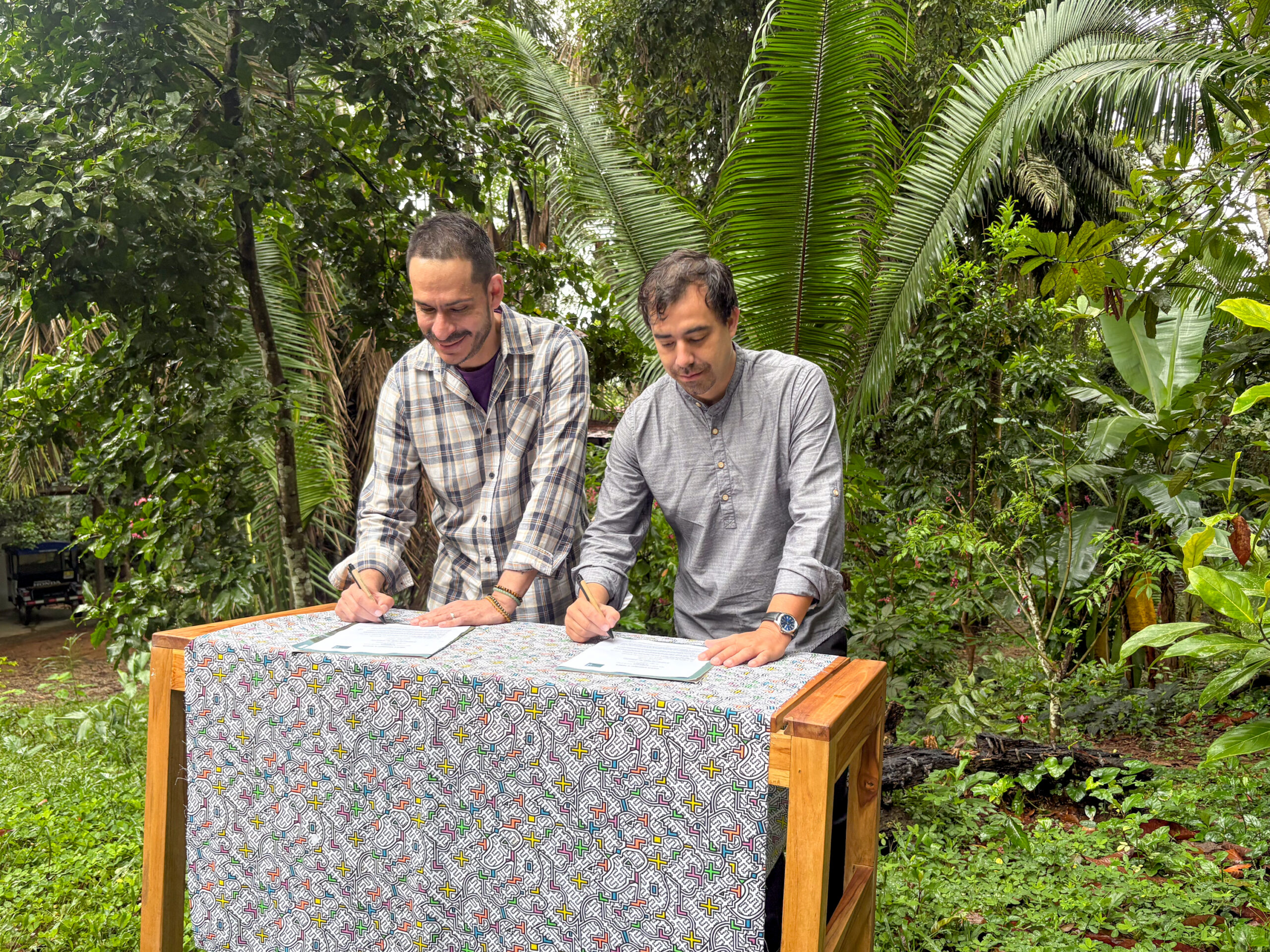
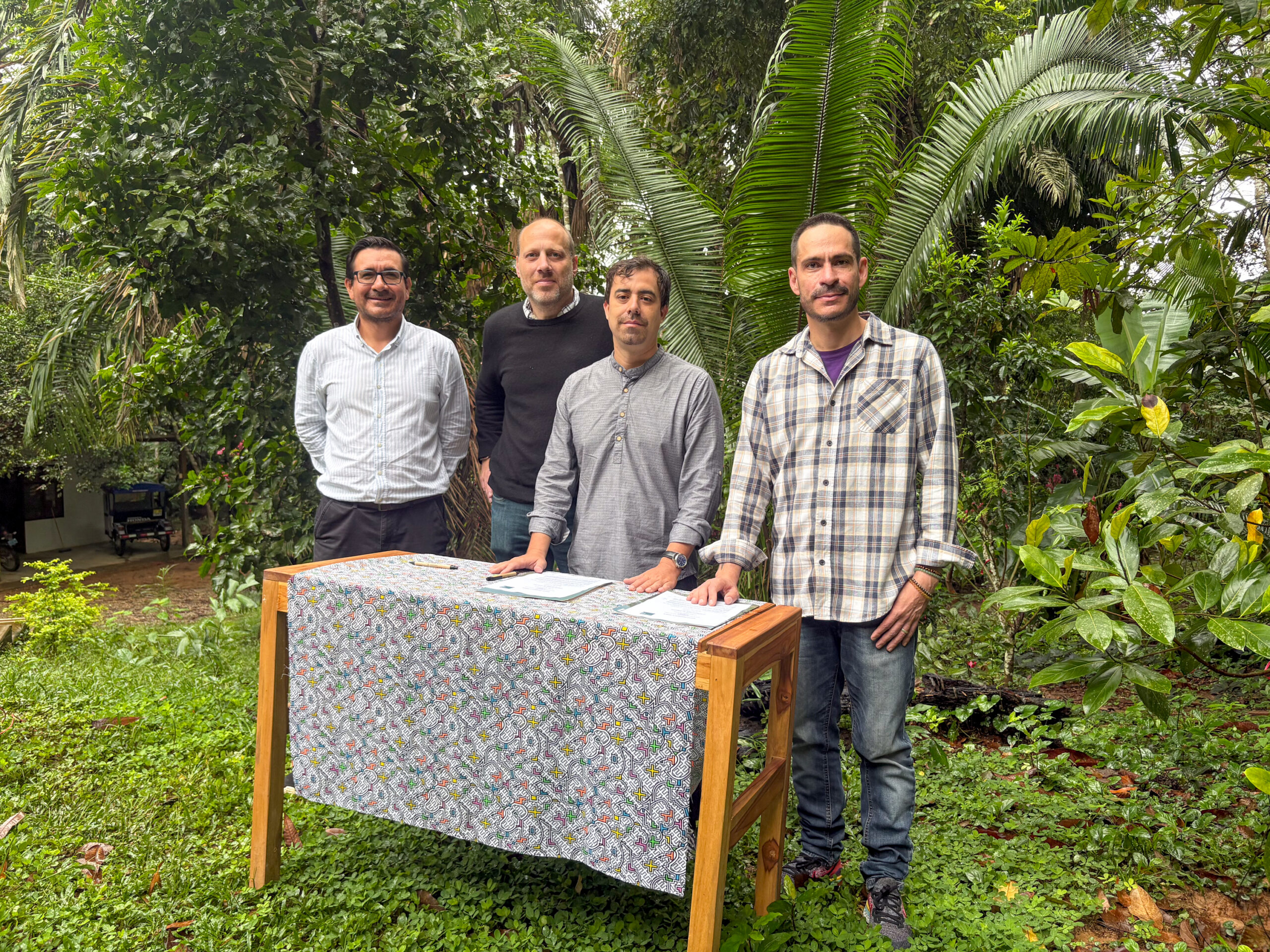
It is within this complex context that Pure Earth Peru and the Wyss Academy at the University of Bern have signed a collaboration agreement to design productive restoration models that reduce mercury impacts on the environment and human health, while also generating new sources of income for families that depend on ASGM.
“As an organization committed to promoting a mutually beneficial relationship between people and nature, we approach mining-related challenges in Tambopata from a proactive perspective, focused on the co-design of viable and context-specific solutions. Over the past three years, we have engaged in an ongoing dialogue with mining stakeholders and various organizations in the territory, with whom we share a commitment to promoting regenerative practices that help mitigate and manage the impacts of mining activities. This collaboration with Pure Earth is part of that effort,” said Miguel Saravia, Director of the South America Hub of the Wyss Academy for Nature.
For his part, Rodrigo Velarde, Country Director of Pure Earth Peru, stated: “In contexts such as Madre de Dios, where mining is part of the territory’s economic and social dynamics, it is essential to promote realistic solutions grounded in that context. At Pure Earth Peru, we work alongside artisanal and small-scale mining processes, supporting improvements, promoting more responsible practices, reducing mercury use, and fostering alternatives that contribute both to human health and environmental protection. We are very pleased to begin this partnership, as it represents a concrete opportunity to continue advancing these efforts.”
An Alliance Committed to Sustainable Solutions
Through this collaboration, both organizations aim to generate technical evidence and develop replicable models that contribute to the sustainable management of degraded landscapes. The goal is to demonstrate that it is possible to transition from degraded territories to restored ones through integrated approaches that combine productive regeneration, reduction of mercury pollution, and improved well-being for local populations.
Pure Earth is an international organization with more than two decades of experience and a presence in nine countries, dedicated to reducing human exposure to toxic pollutants—particularly lead and mercury—through evidence-based interventions and collaborative work with communities and institutions.
Wyss Academy for Nature is a Swiss organization with a presence in four regions of the world that works alongside diverse stakeholders to drive meaningful change. It catalyzes solutions based on scientific knowledge and local expertise, promoting deep transformations in territories and contributing to a mutually beneficial relationship between people and nature.
Sources:
Pure Earth Peru and Wyss Academy for Nature join forces to implement restoration models that recover ecosystems, reduce mercury impact, and generate new sources of income for mining families. Madre de Dios is a diverse and complex territory where unique biodiversity, Indigenous communities, and an economy shaped by extractive activities… Read More Latin America/Caribbean, Mercury Pollution, Project Updates, ArtisanalMining, gold mining, mercury, mercury contamination, mercury poisoning, mercury pollution, MercuryFree, reforestation, Responsible Mining, toxic mercury, wyss academy The Pollution Blog
Pure Earth Peru and Wyss Academy for Nature join forces to implement restoration models that recover ecosystems, reduce mercury impact, and generate new sources of income for mining families.
Madre de Dios is a diverse and complex territory where unique biodiversity, Indigenous communities, and an economy shaped by extractive activities coexist, posing challenges for forest conservation and the well-being of those who depend on it. In Tambopata, this coexistence is strongly reflected in both the landscape and daily life: forests recede where vegetation once thrived, and mercury—used in much of artisanal and small-scale gold mining (ASGM)—leaves a silent footprint in water, soil, and human health.
ASGM, one of the main sources of income in the region, also concentrates significant environmental and public health concerns. On one hand, it accounts for nearly 50% of the regional GDP and supports more than 46,000 people¹; on the other, it is associated with deforestation processes and mercury contamination with cumulative impacts. In this context, the response cannot be simplistic. It is not only about prohibition, but about promoting real transitions toward more responsible and equitable practices—capable of restoring degraded areas, bringing life back to the soil, and opening up economic alternatives compatible with the forest.
It is within this complex context that Pure Earth Peru and the Wyss Academy at the University of Bern have signed a collaboration agreement to design productive restoration models that reduce mercury impacts on the environment and human health, while also generating new sources of income for families that depend on ASGM.
“As an organization committed to promoting a mutually beneficial relationship between people and nature, we approach mining-related challenges in Tambopata from a proactive perspective, focused on the co-design of viable and context-specific solutions. Over the past three years, we have engaged in an ongoing dialogue with mining stakeholders and various organizations in the territory, with whom we share a commitment to promoting regenerative practices that help mitigate and manage the impacts of mining activities. This collaboration with Pure Earth is part of that effort,” said Miguel Saravia, Director of the South America Hub of the Wyss Academy for Nature.
For his part, Rodrigo Velarde, Country Director of Pure Earth Peru, stated: “In contexts such as Madre de Dios, where mining is part of the territory’s economic and social dynamics, it is essential to promote realistic solutions grounded in that context. At Pure Earth Peru, we work alongside artisanal and small-scale mining processes, supporting improvements, promoting more responsible practices, reducing mercury use, and fostering alternatives that contribute both to human health and environmental protection. We are very pleased to begin this partnership, as it represents a concrete opportunity to continue advancing these efforts.”
An Alliance Committed to Sustainable Solutions
Through this collaboration, both organizations aim to generate technical evidence and develop replicable models that contribute to the sustainable management of degraded landscapes. The goal is to demonstrate that it is possible to transition from degraded territories to restored ones through integrated approaches that combine productive regeneration, reduction of mercury pollution, and improved well-being for local populations.
Pure Earth is an international organization with more than two decades of experience and a presence in nine countries, dedicated to reducing human exposure to toxic pollutants—particularly lead and mercury—through evidence-based interventions and collaborative work with communities and institutions.
Wyss Academy for Nature is a Swiss organization with a presence in four regions of the world that works alongside diverse stakeholders to drive meaningful change. It catalyzes solutions based on scientific knowledge and local expertise, promoting deep transformations in territories and contributing to a mutually beneficial relationship between people and nature.
Sources: